
Dog Weight Chart by Breed Size
Estimate Your Puppy’s Adult Size by Breed & Age
Use these dog weight charts to estimate your puppy’s adult weight and track healthy growth. View breed-size charts to understand expected weight ranges for your dog at every stage.
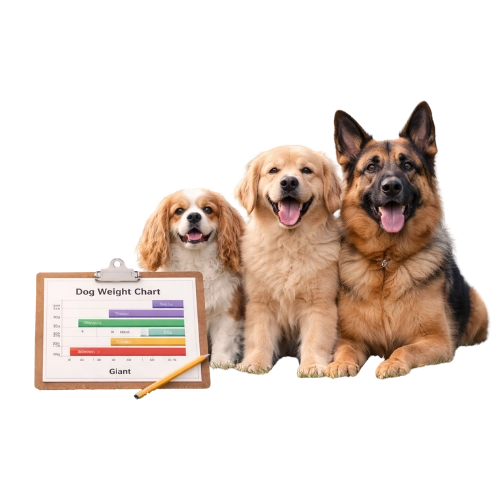
Find the Right Weight Range for Your Puppy
A simple way to estimate your puppy’s adult size is by using a dog weight chart. We’ve created breed-size puppy weight charts based on age and typical growth patterns to help you predict your dog’s expected weight range.


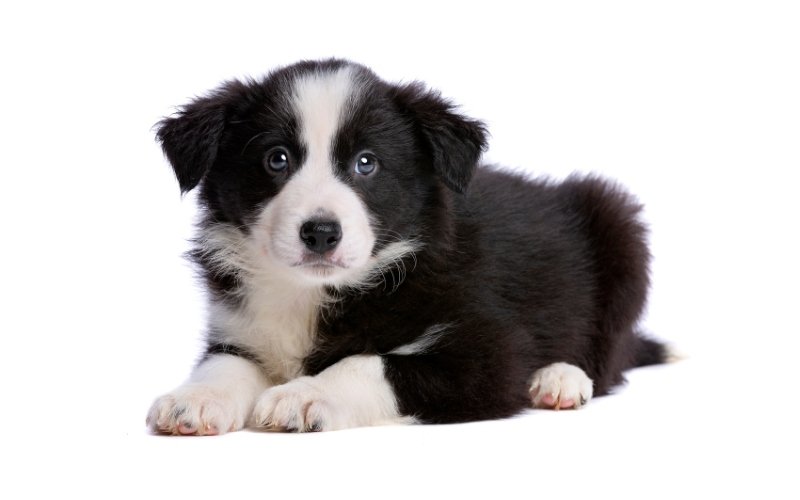
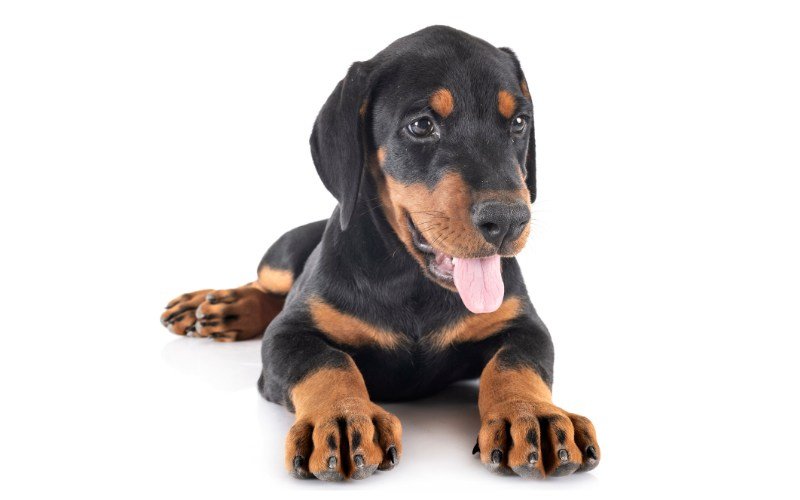
Large Breed Weight Chart
Bigger dogs that need careful growth and weight tracking.
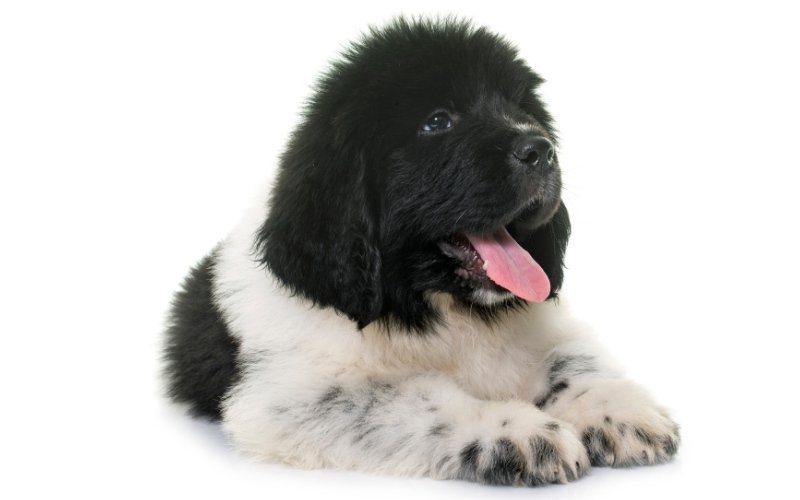
Popular Breed-Specific Puppy Weight Charts
Looking for more detailed growth information? These breed-specific puppy weight charts provide tailored weight estimates and growth guidance.
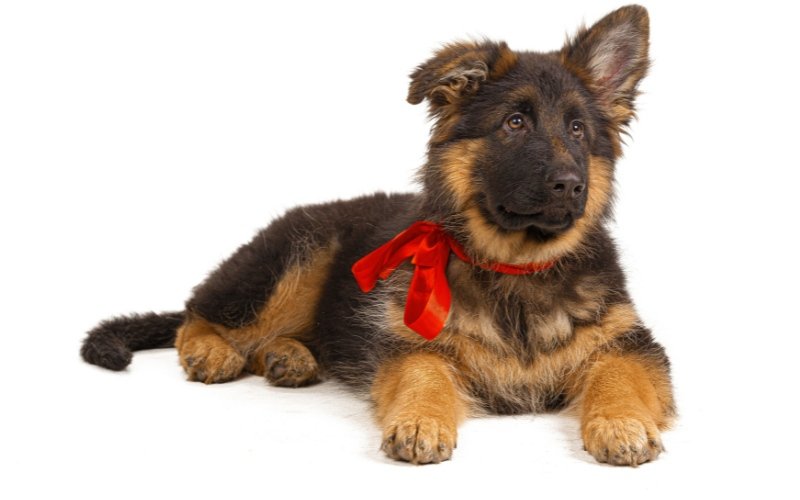
German Shepherd Puppy Weight Chart
Detailed growth and weight expectations for German Shepherd puppies.

Golden Retriever Puppy Weight Chart
Track healthy growth and adult size for Golden Retriever puppies.
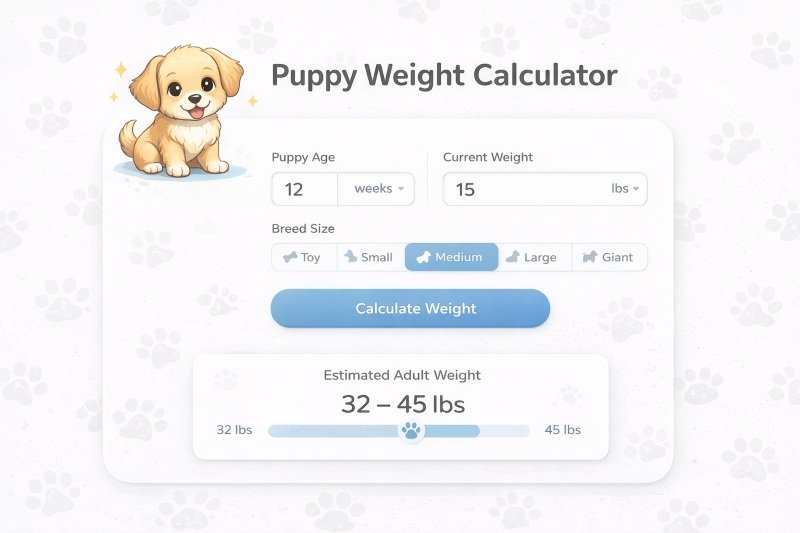
Try the Puppy Weight Calculator
You can also use our puppy weight calculator to estimate your puppy’s adult size based on age, current weight, and breed.
This quick tool is especially helpful for new puppy owners who want an early idea of how big their dog may grow.
Understanding a Healthy Dog Weight
Have you ever looked at your dog and wondered, “Is this a healthy weight?”
You’re not alone. With so many breeds, sizes, and body types, it can be difficult to know what’s considered normal — especially while your dog is still growing.
This is why dog weight charts can take some of the guesswork out of it.
A dog weight chart gives you a rough idea of what dogs like yours tend to weigh at different ages. From early puppyhood through adulthood, these charts help you track growth patterns and spot potential concerns before they become problems.
That said, it helps to remember your dog doesn’t need to fit the chart perfectly.
Why Dog Weight Charts Are Guidelines (Not Absolutes)
Every dog is unique. Two dogs of the same breed can have very different healthy weights depending on:
- Bone structure
- Muscle mass
- Height and build
- Activity level
- Genetics
It’s completely normal for one dog to sit at the higher end of a weight range while another falls closer to the lower end — and both can still be healthy.
Gender Differences in Dog Weight
In many breeds, males tend to weigh more than females. For example, male German Shepherds are typically heavier than females. That said, it’s not set in stone. My own female German Shepherd, Ava, weighed more than some males — she was simply tall, athletic, and well-built, not overweight.
Spaying, Neutering, and Weight Changes
Spaying or neutering can influence a dog’s metabolism and appetite. After these procedures, some dogs may gain weight more easily.
This doesn’t mean weight gain is inevitable — but it does mean monitoring food intake and exercise becomes even more important during this stage of your dog’s life.
What to do:
After spaying or neutering, it helps to casually keep an eye on portions, daily activity, and any slow weight changes.
Key takeaway: Dog weight charts are guides, not rules — breed, build, activity level, and life stage all influence what’s healthy for an individual dog.
The Role of Diet and Exercise
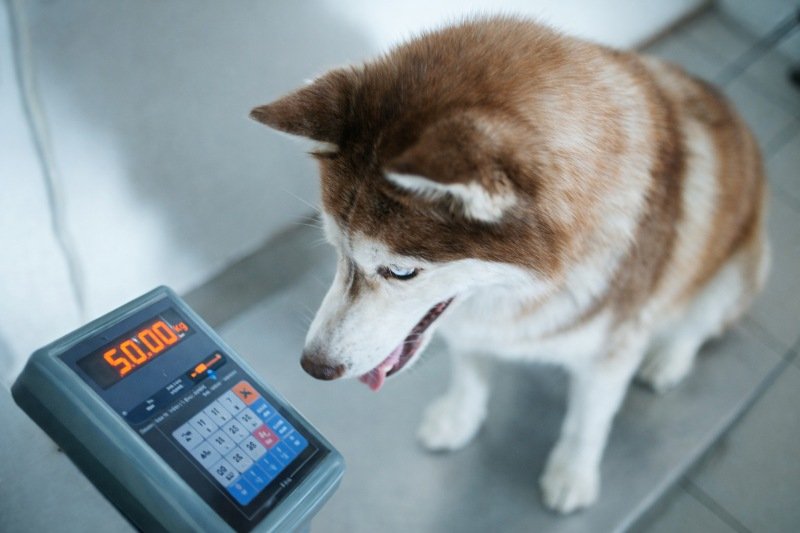
Feeding the correct amount of food at each life stage is essential for maintaining a healthy weight.
- Too little food can lead to poor nutrition and reduced immunity
- Too much food can result in unnecessary weight gain
Exercise plays an equally important role. Dogs that consistently exceed recommended weight ranges may benefit from increased daily activity and adjusted feeding routines.
Why Maintaining a Healthy Weight Matters
Weight has a direct impact on your dog’s long-term health and quality of life.
- Underweight dogs may be more prone to illness due to inadequate nutrition
- Overweight dogs face higher risks of arthritis, heart disease, diabetes, and reduced mobility
Dog obesity is becoming increasingly common — and while a heavier dog may look cute, excess weight places real strain on joints and internal organs.
Regularly monitoring your dog’s weight helps catch small changes early, before they develop into more serious health concerns.
Puppy Weight Charts & Growth Monitoring
Puppies grow quickly — especially in the first few months — and growth rates can vary significantly, even among littermates.
A puppy weight chart helps you track growth over time and compare it to expected averages for your dog’s size or breed. While no chart can predict exact adult size, these tools provide reassurance that your puppy is developing at a healthy pace.
For the most accurate guidance, always use the chart that best matches your puppy’s breed or size category.
Key takeaway: Small weight changes over time can have a big impact on your dog’s long-term health, mobility, and quality of life.
How to Weigh Your Dog at Home
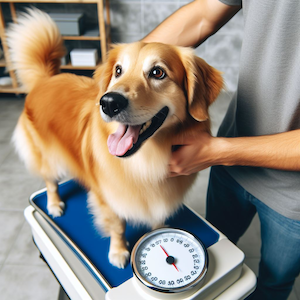
Weighing your dog regularly doesn’t require special equipment.
- Small dogs: Use a standard bathroom scale
- Larger dogs: Weigh yourself first, then weigh yourself holding your dog — subtract the difference
If your dog is nervous around scales, physical observation can also help. A healthy dog should have:
- A visible waist when viewed from above
- Ribs you can feel but not clearly see
These visual cues, combined with chart-based tracking, give a clearer picture of overall health.
For general breed standards and weight guidance, the American Kennel Club provides useful reference information.
A Simple, Responsible Approach to Weight Monitoring
Using a dog weight chart is part of responsible dog ownership. When paired with balanced nutrition, regular exercise, and routine vet checkups, it becomes a practical way to support your dog’s health at every stage of life.
The goal isn’t perfection — it’s awareness. By understanding healthy weight ranges and paying attention to changes over time, you’re giving your dog the best chance at a long, active, and happy life.
When to Check With Your Veterinarian
While dog weight charts are helpful tools, they don’t replace professional advice.
If you’re concerned about your dog’s weight, growth rate, or overall health, it’s always best to consult your veterinarian. Vets can assess body condition, rule out underlying issues, and provide tailored guidance that goes beyond what charts alone can show.