
Dog Dandruff: Causes, Symptoms & Treatment
What’s Causing Those Flakes — and What Can You Do About Them?
Dog dandruff can be as simple as dry skin, but flakes can also be caused by allergies, parasites, infections or other health problems. Learn how to recognize the different types of dandruff, what may be causing your dog’s flaky skin, and the safest ways to treat it.
What Is Dog Dandruff?
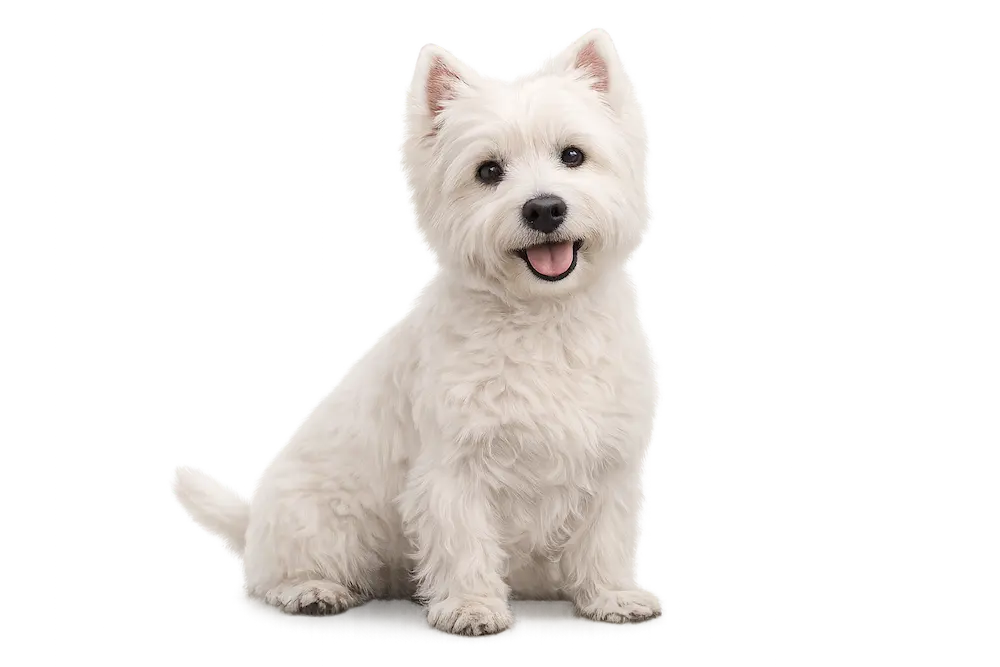
Spotted little white flakes in your dog’s coat? You’re probably looking at dog dandruff. It’s made up of dead skin cells that collect in the coat and, just like us, dogs naturally shed old skin cells. But when the skin becomes dry or irritated, those flakes can suddenly become much more noticeable.
The good news is that dandruff doesn’t always mean something is seriously wrong. Sometimes it’s simply dry skin. But allergies, parasites, skin infections, diet and other health problems can cause it too. The trick is to look at the type of flakes you’re seeing and what else is going on with your dog’s skin and coat.
When Dog Dandruff May Be More Than Dry Skin
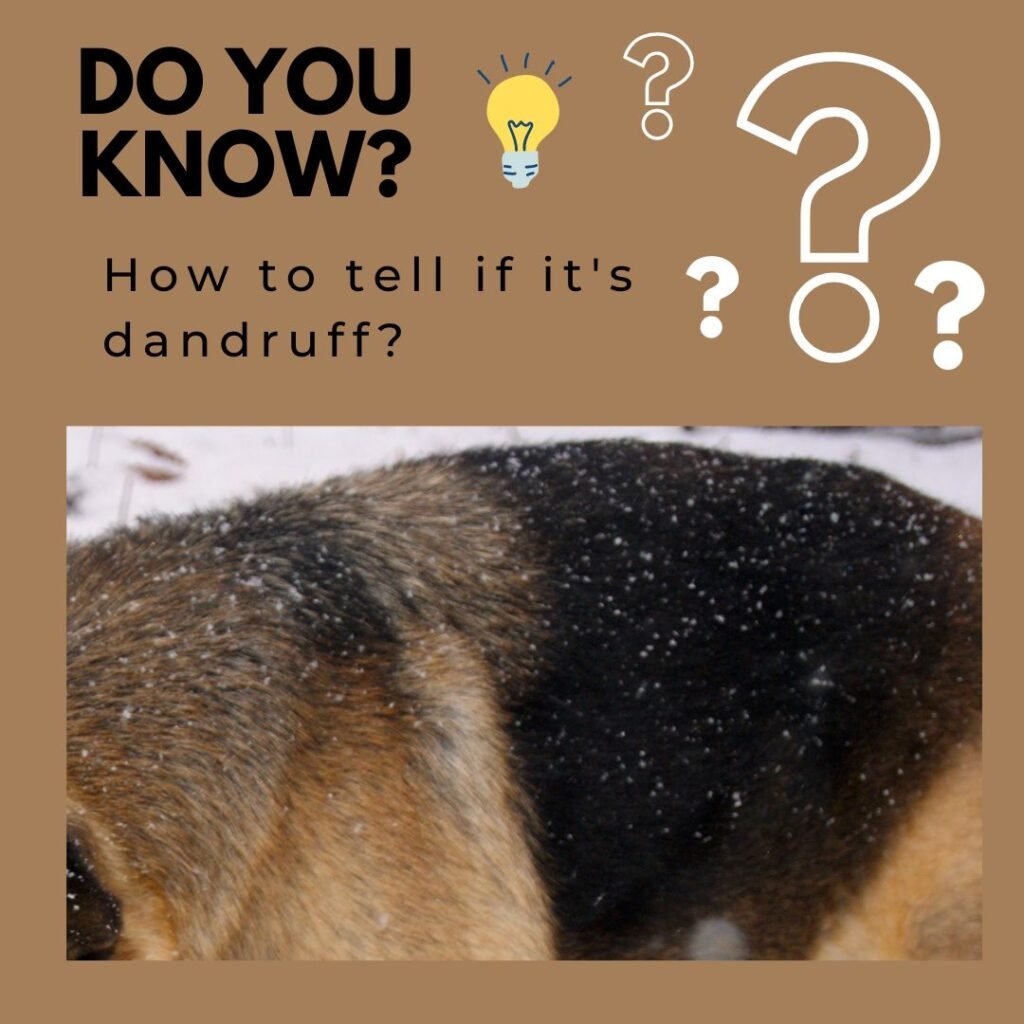
A few flakes aren’t always cause for concern. But dandruff accompanied by other skin changes can point to allergies, parasites, infection or another underlying problem.
Contact your vet if you notice:
- Persistent or intense itching
- Red, inflamed or sore skin
- An unpleasant or unusual odor
- Hair loss or bald patches
- Flakes that appear to move
- Dandruff that doesn’t improve with basic home care
Important: Moving flakes can be a sign of Cheyletiella mites, often called “walking dandruff,” which we’ll cover further down the page.
What Causes Dog Dandruff?
So, why does your dog have dandruff in the first place? Unfortunately, there isn’t one simple answer. It could be something as straightforward as dry air, but allergies, parasites, skin infections, diet and certain health conditions can all leave those telltale flakes behind.
Take a look at what else is going on with your dog’s skin and coat. A little detective work can often give you some useful clues about what’s causing the problem and what to do next.
| Possible Cause | What You May Notice | What to Do |
|---|---|---|
| Dry Skin | Fine, dry white flakes with little or no redness | Try gentle grooming and consider using a humidifier if the air is dry |
| Allergies | Flaking along with itching, licking or red, irritated skin | Look for possible allergy triggers and see your vet if itching persists |
| Parasites | Heavy flaking, itching or flakes that appear to move | See your vet, particularly if you suspect mites or “walking dandruff” |
| Skin Infection | Flaking with redness, odor, sores or greasy skin | See your vet for diagnosis and appropriate treatment |
| Diet or Nutrition | Recurring flaky skin with a dry or dull-looking coat | Make sure your dog is eating a complete, balanced diet and discuss persistent problems with your vet |
| Underlying Health Condition | Persistent dandruff along with other changes in the skin, coat or general health | See your vet rather than relying on dandruff treatments alone |
Understanding the Causes of Dog Dandruff
Allergies
Environmental allergens such as pollen, dust and mold can irritate a dog’s skin and lead to itching, inflammation and flaking. Some dogs may also react to ingredients in their food. If dandruff occurs alongside persistent itching, paw licking, ear problems or red skin, allergies may be worth investigating.
Skin Infections
Bacterial and fungal or yeast infections can cause inflammation, flaking and changes to your dog’s skin and coat. You may also notice redness, an unusual odor, greasy skin, sores or excessive itching. These symptoms are a good reason to have your dog examined by a veterinarian. Learn more about the symptoms and treatment of dog skin infections.
Dry Air
If your dog’s dandruff seems to appear when the weather changes, dry air could be the culprit. Cold weather, low humidity and indoor heating can all draw moisture from the skin, leaving those familiar fine, white flakes behind.
You may notice it more during the winter months or whenever the air in your home is particularly dry. If the flakes are fine and dry and your dog’s skin otherwise looks healthy, this is one of the simpler causes to consider.
Diet
What goes into your dog can show up on the outside too. Good nutrition plays an important role in keeping the skin healthy and the coat looking its best.
A complete, balanced diet should provide the protein, vitamins, minerals and essential fatty acids your dog needs for healthy skin. If something is lacking, a dry or dull coat and flaky skin can sometimes be among the signs.
That doesn’t mean every case of dandruff can be fixed by changing your dog’s food, but nutrition is certainly worth considering—especially if the flakes keep coming back.
Hormonal or Other Health Conditions
Persistent dandruff can sometimes be associated with an underlying health condition. Hormonal disorders such as hypothyroidism and Cushing’s disease can affect the skin and coat and may cause flaking, hair loss or other changes.
If your dog’s dandruff is persistent or accompanied by other symptoms, your veterinarian can help determine whether an underlying condition may be responsible.
Idiopathic Seborrhea
Sometimes a dog develops seborrhea without an identifiable underlying cause. This is known as idiopathic seborrhea. It can cause flaky or greasy skin, itching and changes to the coat, and some breeds may be more predisposed to it than others.
Signs and Symptoms of Dog Dandruff
The most obvious sign of dog dandruff is white or gray flakes in your dog’s coat or on the skin. Depending on what’s causing the dandruff, you may notice other changes too.
Common symptoms include:
- Dry, flaky or scaly skin
- Itching or frequent scratching
- Red or irritated skin
- Greasy skin or coat
- Scabs, bumps or pimples
- Thinning hair or bald patches
- An unusual skin odor
The combination of symptoms can provide useful clues. Dry white flakes with otherwise normal-looking skin, for example, may simply indicate dry skin, while dandruff accompanied by redness, odor, sores or significant itching is more likely to need veterinary attention.
Not sure whether dandruff is causing your dog’s symptoms? Compare the signs of common dog skin conditions to help narrow down what might be going on.
Types of Dog Dandruff
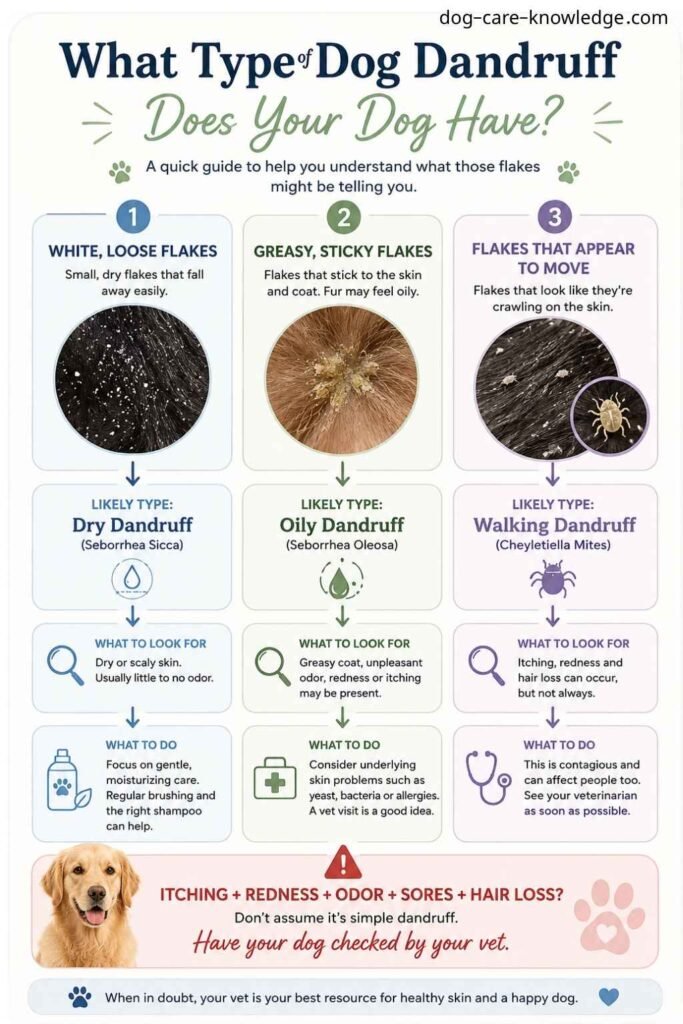
Take a closer look at those flakes because not all dog dandruff is the same. Is it dry and loose? Greasy and stuck to the coat? Or—and this one’s a little creepy—does it actually look like it’s moving?
The type of dandruff you’re seeing can give you some useful clues about what may be going on with your dog’s skin.
Dry Dandruff
Dry dandruff, or seborrhea sicca, is probably what most of us picture when we think of dandruff—small, white flakes scattered through the coat. The skin may look dry or scaly, and you’ll often see flakes falling away when you brush or stroke your dog.
Dry air, allergies, nutritional issues and other skin conditions can all contribute, so don’t assume dry-looking flakes automatically mean dry skin.
Oily Dandruff
Oily dandruff, known as seborrhea oleosa, is a little different. Instead of loose flakes that fall away easily, the scales tend to stick to the skin and coat. Your dog’s fur may feel greasy and you might notice an unpleasant odor too.
If you’re seeing greasy flakes together with odor, redness or itching, it’s worth getting your vet involved because yeast, bacterial infections and other skin problems can cause similar symptoms.
Walking Dandruff
And then there’s walking dandruff—and yes, it really can look like the dandruff is moving!
Walking dandruff is caused by Cheyletiella mites that live on the surface of the skin. It can cause itching, redness and hair loss, although some dogs show surprisingly few other symptoms.
Because the mites can spread between animals and can temporarily affect people too, this isn’t one to tackle as ordinary dandruff at home. If you suspect walking dandruff, have your dog checked by your veterinarian.
How to Treat Dog Dandruff
Once you’ve got a better idea of what those flakes are telling you, you can start tackling the problem. And this is where choosing the right approach really matters—what helps a dog with simple dry skin may be completely wrong for oily dandruff, an infection or mites.
For mild dandruff without redness, sores or lots of itching, a little extra grooming and the right shampoo may be all your dog needs. But don’t just reach for any bottle labeled “dandruff shampoo.” Start with the type of dandruff you’re seeing and choose accordingly.
If your dog is very itchy or you notice redness, odor, hair loss, sores or moving flakes, it’s time to look beyond the dandruff itself and find out what’s causing it.
Choose a Shampoo for Your Dog's Type of Dandruff
This is where reading the shampoo label really pays off. Some ingredients are designed to moisturize dry skin, while others help with excess oil or specific skin problems. The ingredients you should look for depend on what you’re seeing on your dog’s skin and coat.
For Dry, Flaky Skin
Look for gentle, moisturizing ingredients that help soothe and hydrate the skin, such as:
- Colloidal oatmeal
- Aloe vera
- Glycerin
- Ceramides
- Gentle moisturizing oils or fatty acids
Avoid harsh or strongly fragranced shampoos that may further dry or irritate sensitive skin.
For Oily or Greasy Dandruff
Oily dandruff may need a shampoo that helps loosen scales and control excess oil. Depending on the cause, ingredients commonly found in veterinary skin shampoos include:
- Salicylic acid
- Sulfur
- Benzoyl peroxide
These ingredients can be drying or irritating if used unnecessarily, so oily dandruff accompanied by odor, redness or significant itching is a good reason to speak with your veterinarian before choosing a medicated shampoo.
For Yeast or Bacterial Skin Problems
If dandruff occurs with greasy skin, redness, odor or recurrent irritation, an infection may be involved. Veterinary shampoos for these conditions may contain ingredients such as:
- Chlorhexidine
- Miconazole
- Ketoconazole
These are intended for specific skin problems rather than ordinary dry dandruff, so it’s best to have the underlying condition identified before treating it.
What About Walking Dandruff?
Walking dandruff is different because it is caused by Cheyletiella mites rather than simply dry or oily skin. Regular moisturizing or dandruff shampoos won’t treat the underlying cause.
If the flakes appear to move, or you suspect walking dandruff, have your dog checked by your veterinarian so the appropriate parasite treatment can be used.
How Often Should You Bathe a Dog With Dandruff?
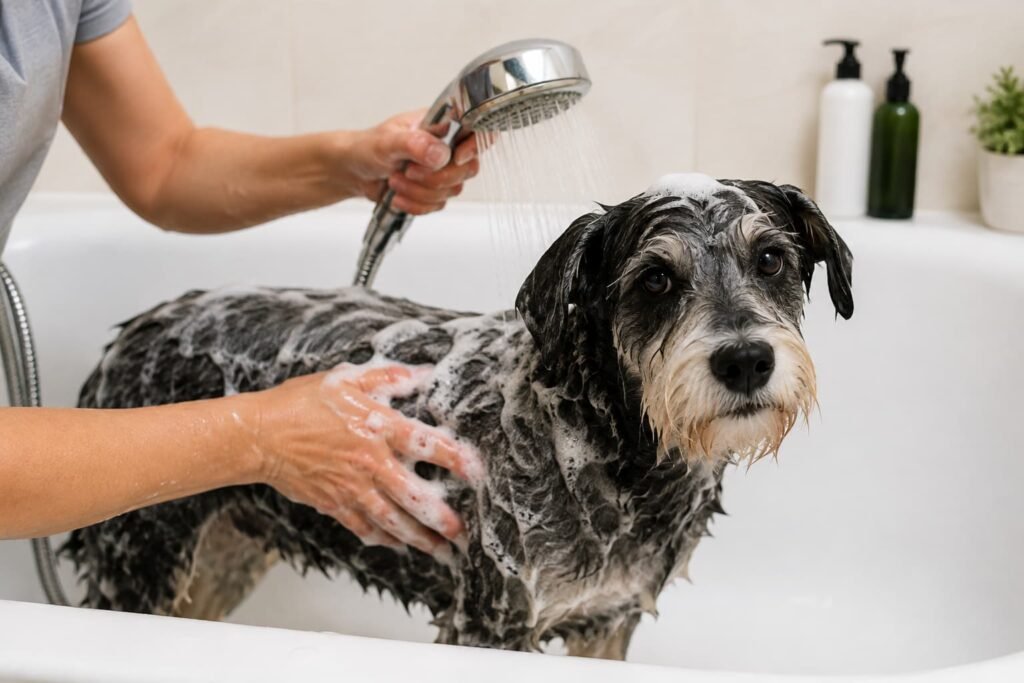
It’s tempting to think that more baths will mean fewer flakes, but that’s not always the case. How often you should bathe your dog really depends on what’s causing the dandruff and the type of shampoo you’re using.
Bathing can help wash away loose flakes, excess oil and allergens, but too many baths—especially with the wrong shampoo—can dry out the skin and make matters worse.
For mild, dry dandruff, stick with a gentle moisturizing dog shampoo and follow the directions on the bottle. If you’re using a medicated shampoo, pay particular attention to how often it should be used and how long it needs to stay on the skin.
And don’t rush the rinse! Shampoo residue left behind can irritate the skin, so rinse your dog’s coat really thoroughly.
Hudson's Dog Dandruff Before & After
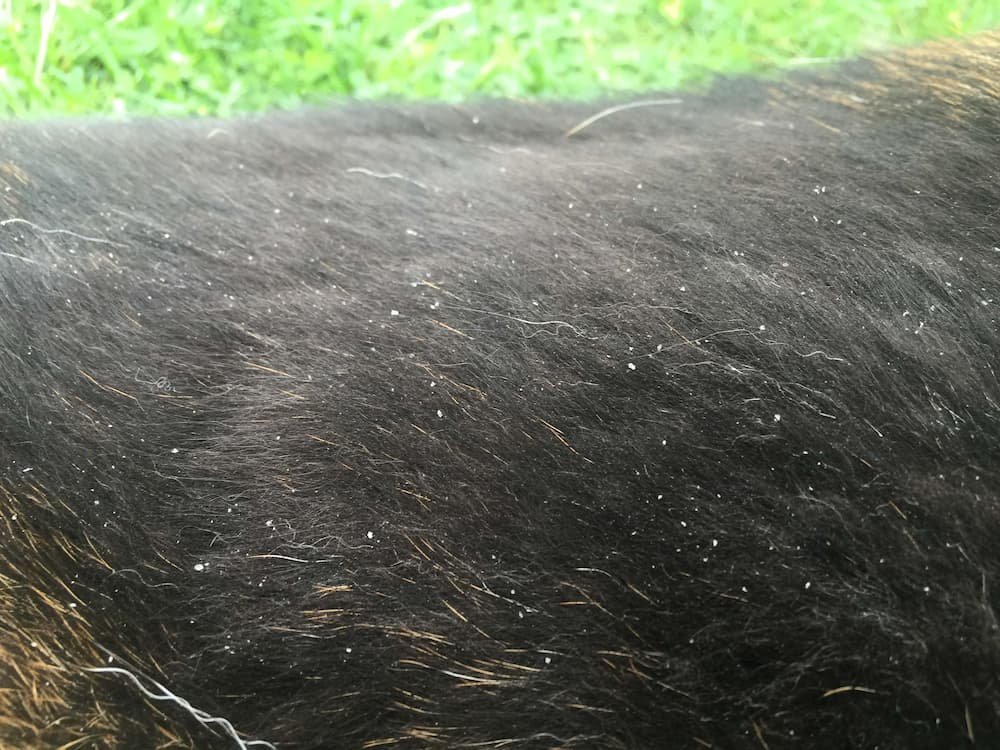
My dog, Hudson, suffered from dry dandruff, so I know just how frustrating all those little white flakes can be!
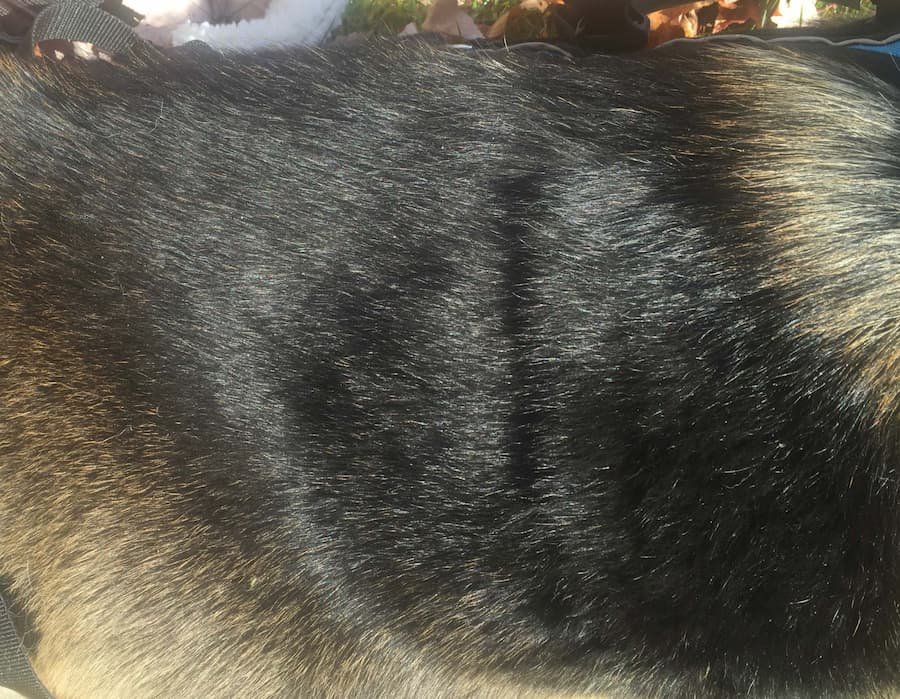
I was able to get his dandruff under control with the right shampoo for his type of dandruff, followed by a moisturizing rinse. The difference in his skin and coat was amazing.
Below are my real before and after photos of Hudson so you can see the results for yourself. The first photo shows his coat when he had dandruff, and the second was taken after bathing him and using a moisturizing rinse.
This was the result after just one bath.
Brush Your Dog Regularly
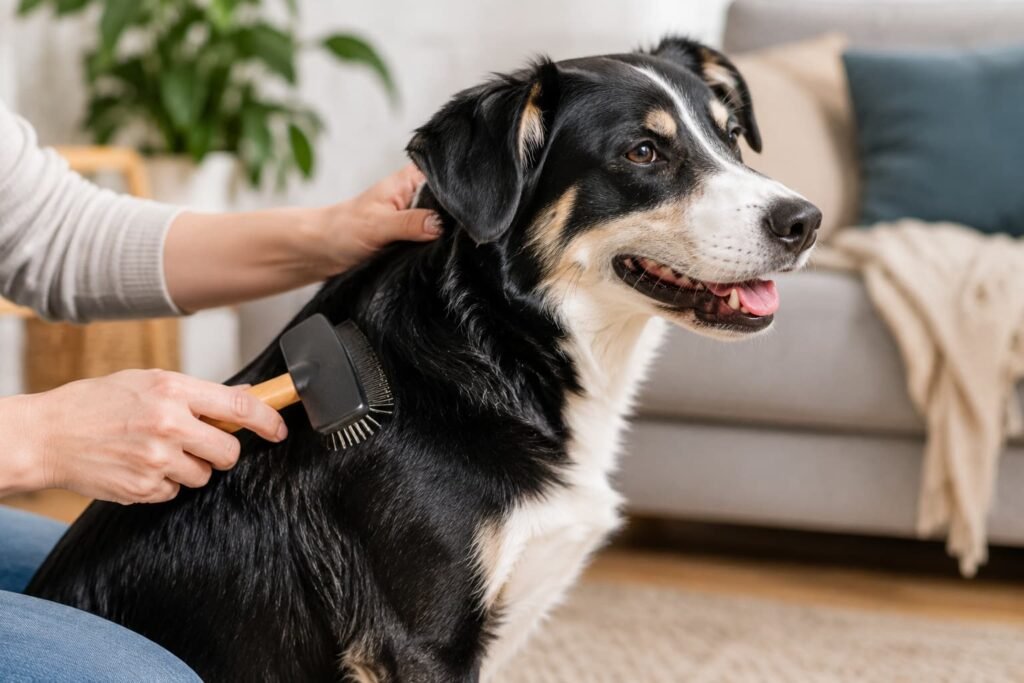
Don’t underestimate a good brushing either. Regular brushing helps loosen and remove dead skin cells while spreading the coat’s natural oils across the skin—and most dogs rather enjoy the extra attention!
It’s also a great opportunity to get familiar with your dog’s skin. While you’re brushing, keep an eye out for redness, sores, hair loss, parasites or anything else that looks different from normal.
Just be gentle if the skin is already sore or irritated, and choose a brush that’s suitable for your dog’s coat.
Can Diet Help With Dog Dandruff?
Healthy skin starts on the inside too. While changing your dog’s diet isn’t a magic fix for every case of dandruff, good nutrition gives the skin and coat the building blocks they need to stay healthy.
Make sure your dog is eating a complete, balanced diet appropriate for their age and life stage. If the dandruff keeps returning despite good skin care, it’s worth considering whether nutrition could be playing a part.
Omega-3 Fatty Acids
Omega-3s are particularly interesting when it comes to skin and coat health. Fish oil provides the omega-3 fatty acids EPA and DHA, which can help support healthy skin and may be useful for dogs with dry, irritated or flaky skin.
If you’re thinking about adding fish oil, don’t assume that more is better. Choose a product made for pets and check the amount of EPA and DHA it actually provides—not just the total amount of “fish oil” on the label.
It’s also a good idea to check with your veterinarian about the right amount for your dog, particularly if your dog has other health conditions or takes medication.
When to See Your Vet About Dog Dandruff
Sometimes dog dandruff really is just dandruff—and a few simple changes are enough to get those flakes under control. But if you’ve tried the basic home-care steps and the dandruff isn’t improving, or your dog has other symptoms too, it’s time to get your vet involved.
Dandruff can sometimes be the visible sign of something else going on with your dog’s skin or health, so don’t keep treating the flakes if the problem is persistent or getting worse.
Make an appointment with your veterinarian if your dog has:
- Persistent or severe itching
- Red, inflamed or painful skin
- Hair loss or bald patches
- Sores, scabs or broken skin
- Greasy skin or an unusual odor
- Flakes that appear to move
- Dandruff that keeps returning or doesn’t improve with basic home care
Your veterinarian can check for parasites, allergies, infection or an underlying health condition and help you treat the cause of the dandruff—not just those annoying flakes.
Dog Dandruff FAQs
How do you get rid of dog dandruff?
For mild dandruff, regular brushing, bathing with a gentle shampoo suited to your dog’s type of dandruff, and making sure they’re eating a complete, balanced diet may help. If the dandruff is persistent or comes with itching, redness, odor, hair loss or sores, have your dog checked by your vet so you can treat the underlying cause rather than just the flakes.
What causes dandruff on dogs?
Dog dandruff can have several causes, including dry air, allergies, parasites, skin infections, diet and underlying health conditions. Sometimes no specific cause can be identified, which is known as idiopathic seborrhea.
Is it common for dogs to have dandruff?
Yes. A few flakes from time to time aren’t necessarily anything to worry about, particularly when the air is dry. But if your pup suddenly develops a lot of dandruff or you notice other symptoms such as itching, redness or hair loss, it’s worth looking a little deeper to find out what’s causing it.
What does dog dandruff look like?
Dog dandruff usually looks like small white or gray flakes scattered through the coat or sitting on the skin. Dry dandruff tends to be loose and flaky, while oily dandruff may stick to the coat and make it feel greasy. And if those flakes look like they’re moving, don’t ignore them — that could be walking dandruff caused by mites.
Can dog dandruff be caused by allergies?
Yes. Environmental or food allergies can irritate your dog’s skin and lead to flaking. If dandruff comes with lots of scratching, paw licking, ear problems or red, irritated skin, allergies may be part of the problem
What's the difference between dandruff and walking dandruff?
Ordinary dandruff is made up of dead skin cells. Walking dandruff is caused by Cheyletiella mites living on the surface of the skin. The clue is in the name — the flakes can actually appear to move! Because the mites can spread between animals, suspected walking dandruff should be checked by your veterinarian.
How often should I bathe a dog with dandruff?
There’s no one schedule that’s right for every dog. It depends on what’s causing the dandruff and the shampoo you’re using. Mild dry dandruff may only need occasional bathing with a gentle moisturizing shampoo, while medicated shampoos have their own directions and may be prescribed on a specific schedule by your vet. Bathing too frequently with the wrong shampoo can actually make dry, irritated skin worse.
References
Seborrhea in Dogs – Merck Veterinary Manual
Mite Infestation in Dogs – Merck Veterinary Manual
Nutrition, Skin, and Dogs – VCA Animal Hospitals
Yeast Dermatitis in Dogs – VCA Animal Hospitals