
Hot Spots in Dogs: Causes, Symptoms & Treatment
How to Recognize and Treat a Hot Spot
Hot spots can appear quickly and become painful and itchy for your dog. Learn what causes them, how to treat them safely, and what you can do to help stop them coming back.
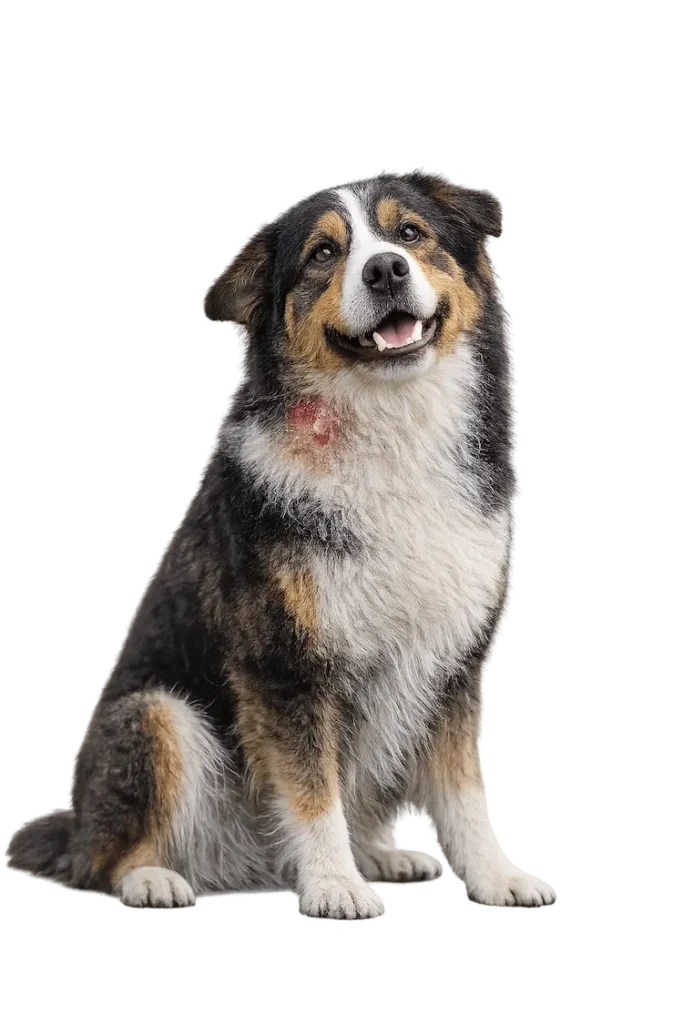
What Are Hot Spots in Dogs?
Hot spots in dogs can seem to appear almost overnight. One minute your dog’s skin looks fine, and the next you’re looking at an angry, red sore that they’re determined to lick, bite or scratch.
A hot spot develops when something irritates your dog’s skin and starts that itch–lick–scratch cycle. Allergies, fleas and other parasites, moisture trapped against the skin, infections and matted fur can all be triggers.
Hot spots are just one of several dog skin conditions that can cause redness, itching and irritation.
The more your dog bothers the area, the more inflamed and painful it becomes — and that’s why a small irritated patch can turn into a much larger sore surprisingly quickly.
Hot spots are also known as acute moist dermatitis or pyotraumatic dermatitis.
What Does a Hot Spot Look Like?
- Red and inflamed
- Warm to the touch
- Moist or oozing
- Hair loss or matted fur around the area
- Painful and intensely itchy
- Sometimes has an unpleasant smell
- Can grow surprisingly quickly

When Should You See a Vet for a Hot Spot?
Many small hot spots can be managed at home if you catch them early, but because they can spread surprisingly fast, it’s important to keep a close eye on how your dog is doing.
Contact your vet if the hot spot:
- Is spreading or getting worse quickly
- Is very painful or your dog won’t let you near it
- Has a lot of pus, discharge or an unpleasant smell
- Is large, deep or badly inflamed
- Isn’t starting to improve within 24–48 hours
- Keeps coming back
You should also speak to your vet if your dog seems unwell or you’re simply not sure what you’re looking at. Not every red, itchy patch of skin is a hot spot, and sometimes there’s an underlying problem such as allergies, parasites or an infection that needs treating too.
If it’s a small, uncomplicated hot spot and your dog otherwise seems well, the four steps below will show you how to clean the area, help it heal and — most importantly — stop your dog making it worse.
Home Treatment for Hot Spots on Dogs
Once you’ve identified a small, uncomplicated hot spot, it’s important to start dealing with it quickly. Hot spots can get bigger surprisingly fast — especially if your dog keeps licking, biting or scratching the area.
The aim of treatment is pretty simple:
✂️ Clear the Hair
Let air reach the sore
🧼 Clean & Dry
Keep the area clean and dry
🩹 Help It Heal
Support skin recovery
🐾 Stop the Licking
Prevent further irritation
The good news is that you can do all four at home in many mild cases.
How to Treat a Hot Spot in 4 Steps
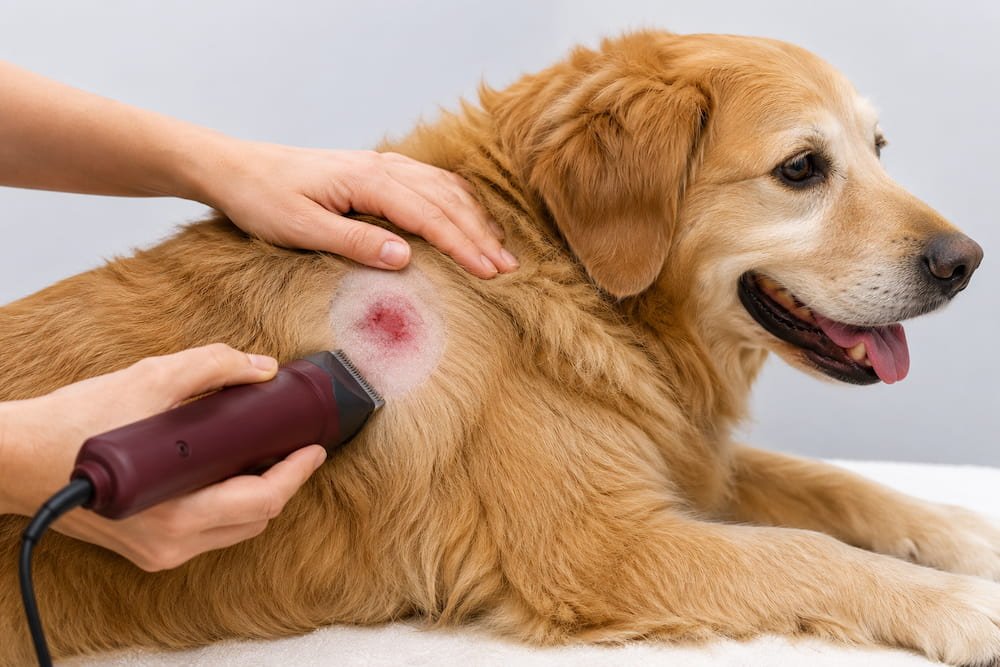
Step 1 – Clear and Prepare the Area
Most hot spots are made worse by the hair surrounding them. So the first — and probably most awkward — step is to carefully clip the fur around the hot spot. This exposes the sore, lets air reach it and helps stop loose hairs from sticking to the irritated skin.
Be careful here, especially if your dog is sore and uncomfortable. Clippers are generally safer than trying to cut close to the skin with regular scissors. If you do use scissors, only use blunt-ended grooming scissors and keep well away from the sore itself.
The aim is to create a clear margin around the hot spot so that hair isn’t constantly falling back into the wound. It will also make the next step — cleaning and drying the area — much easier.
If your dog is very painful, won’t stay still, or the hot spot is somewhere difficult to clip safely, don’t struggle with it. Let your vet or groomer handle this part instead.
Step 2 – Clean and Dry the Hot Spot
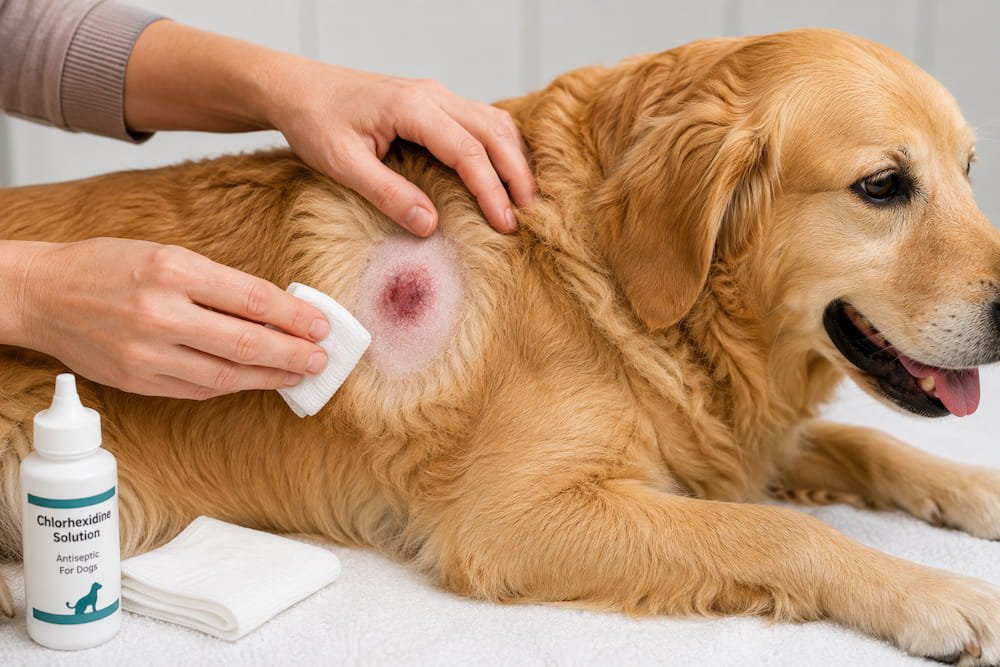
Once the hair is out of the way, the next step is to gently clean the area and, just as importantly, keep it dry.
Use a dog-safe antiseptic such as chlorhexidine, following the directions on the product. Gently clean the hot spot with gauze or a soft clean cloth rather than scrubbing it — that skin is already pretty sore.
After cleaning, pat the area completely dry and leave it exposed to the air where possible.
Avoid alcohol, hydrogen peroxide or other harsh products, which can irritate already damaged skin. And although coconut oil gets recommended for almost everything these days, I wouldn’t use oily or greasy products here either — hot spots are moist lesions, so we don’t want to trap even more moisture against the skin.
Clean the area as directed by the product you’re using and whenever it becomes dirty or covered with discharge.
🍵 What About Natural Remedies for Hot Spots?
I’m usually a fan of taking a natural approach where it makes sense, but with a hot spot, simple is often better. The skin is already raw and irritated, so this isn’t the time to experiment with lots of different ingredients.
A cool black or green tea compress may feel soothing on irritated skin. Brew the tea normally, let it cool completely, then apply it gently with clean gauze or a soft cloth for a few minutes.
The important part? Dry the area thoroughly afterwards. Hot spots thrive in warm, moist conditions, so you don’t want to leave the skin damp.
I’d avoid vinegar, essential oils, alcohol, hydrogen peroxide and greasy products such as coconut oil on an open or irritated hot spot.
And if the area is spreading, very painful, oozing heavily or isn’t improving, skip the home remedies and speak to your vet.
Step 3 – Help the Hot Spot Heal
Once the hot spot is clean and dry, the next job is to give the damaged skin a chance to heal.
For a small, uncomplicated hot spot, you can use a dog-safe topical hot spot spray or treatment designed to soothe irritated skin. Follow the directions on the product and avoid layering lots of different creams, sprays and home remedies on top of each other.
Whatever you use, check the label carefully to make sure it’s intended for dogs and safe if there’s a chance your dog could lick the area.
And remember, more product doesn’t necessarily mean faster healing. Keeping the area clean and dry and stopping your dog from constantly licking it are just as important as anything you put on the skin.
You should usually start to see the area looking calmer within a couple of days. If instead it’s becoming redder, wetter, larger or more painful, that’s a sign to contact your vet rather than continuing to treat it at home.
Step 4 – Stop the Licking and Scratching
Even if you’ve cleaned and treated the hot spot perfectly, it won’t get much chance to heal if your dog immediately starts licking, biting or scratching it again.
And unfortunately, that’s exactly what they’re going to want to do!
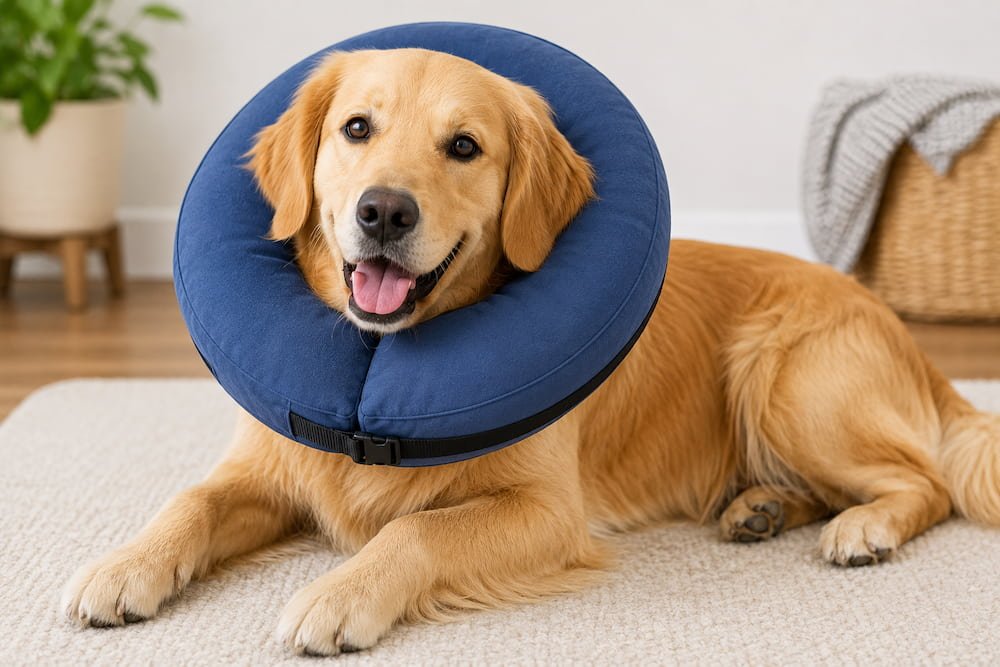
The simplest solution is to physically prevent your dog from reaching the area while it heals. Depending on where the hot spot is, an Elizabethan collar (the traditional cone), soft recovery collar or inflatable collar may work.
Just make sure whatever you use actually prevents your dog from reaching the sore. Dogs can be remarkably determined when something itches, and some can still reach surprisingly far around those inflatable collars.
Try to leave the hot spot uncovered and exposed to the air rather than bandaging it, unless your vet has specifically told you otherwise.
As the itching settles and the skin begins to heal, your dog should become less interested in the area. But keep checking it each day to make sure it’s becoming smaller, drier and less red — not larger, wetter or more inflamed.
How to Prevent Hot Spots From Coming Back
Once you’ve dealt with the hot spot itself, the next question is why did it happen in the first place?
Hot spots are often secondary to something else that’s making your dog itchy or leaving moisture trapped against the skin. If you can identify and deal with that underlying trigger, you’ve got a much better chance of preventing another one.
Some of the most common things to look for include:
- Fleas and other parasites — especially if your dog is sensitive to flea bites
- Allergies — environmental or food-related allergies can cause persistent itching
- Ear problems — particularly when hot spots repeatedly appear around the head or neck
- Poor or matted coat condition — mats can trap heat and moisture against the skin
- Swimming and wet coats — especially in thick-coated dogs that take a long time to dry
- Heat and humidity — warm, damp conditions can make hot spots more likely
- Persistent licking or scratching — sometimes triggered by another source of discomfort
If your dog loves swimming, has a thick coat or lives somewhere hot and humid, pay particular attention to getting that coat completely dry. Moisture trapped underneath all that fur can create the perfect environment for another hot spot.
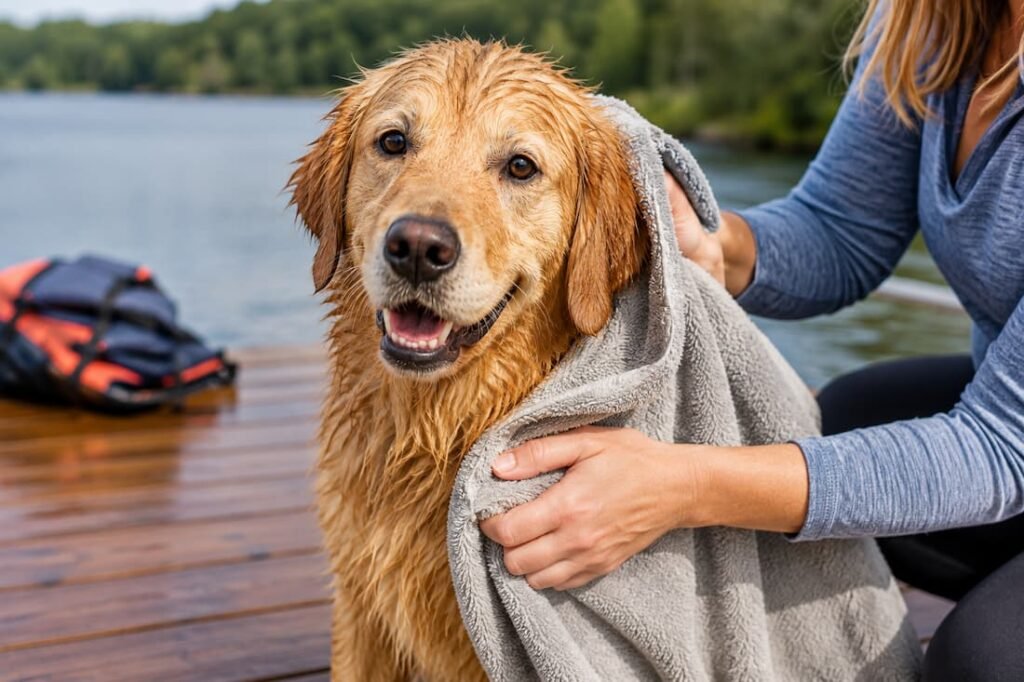
If your dog keeps getting hot spots, don’t just keep treating each one as it appears. That’s when it’s worth working with your vet to find out what’s driving the itching in the first place.
If you’re noticing other changes to your dog’s skin or coat as well, take a look at my guide to common skin problems in dogs to help narrow down what might be going on.
Which Dogs Are More Prone to Hot Spots?
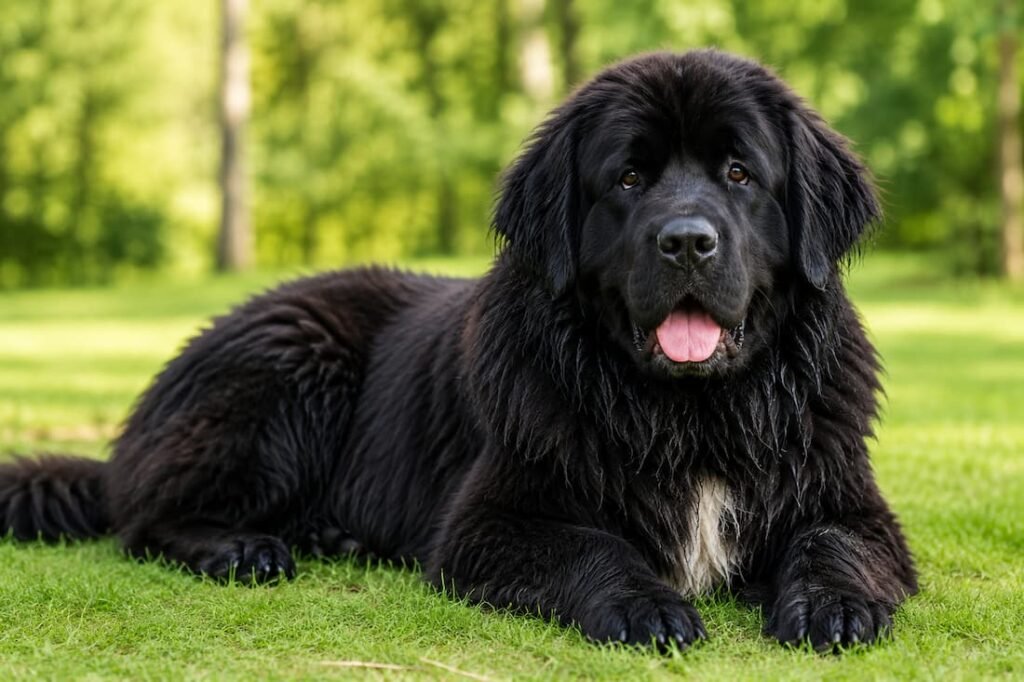
Any dog can get a hot spot, but they’re especially common in dogs with thick, dense or long coats because moisture and loose hair can get trapped close to the skin.
Breeds that may be more prone include:
- Golden Retrievers
- German Shepherds
- Newfoundlands
- Bernese Mountain Dogs
- Labrador Retrievers
- Saint Bernards
Dogs that swim frequently, shed heavily or live in hot, humid climates can also be more susceptible — especially if their coat stays damp underneath.
Hot Spots in Dogs FAQs
What does a hot spot look like on a dog?
A hot spot usually looks like a red, moist, inflamed patch of skin. The fur around it may be matted or missing, and the area can be warm, sore, smelly or oozing. They can also get bigger surprisingly quickly.
Can a hot spot on a dog heal on its own?
A very small hot spot may settle if the irritation stops, but most need some help because dogs tend to keep licking, biting or scratching the area. Cleaning it, keeping it dry and stopping your dog from reaching it gives the skin a much better chance to heal.
How long does a hot spot take to heal?
You should usually start to see some improvement within a couple of days. Full healing can take around a week or more depending on the size and severity. If it’s getting worse or not improving within 24–48 hours, contact your vet.
Why does my dog keep getting hot spots?
Recurring hot spots usually mean there’s an underlying trigger that hasn’t been dealt with. Common causes include allergies, fleas, ear problems, trapped moisture, matted fur and repeated licking or scratching.
References
Cornell University College of Veterinary Medicine – Hot Spots
VCA Animal Hospitals – Hot Spots in Dogs
PetMD – Hot Spots on Dogs: Causes, Treatment, and Home Remedies
American Kennel Club – Hot Spots on Dogs: Signs, Treatment, and Prevention