
Dog Ear Care
Healthy Ears Start With Knowing What to Look For
Good dog ear care isn’t about constantly cleaning your dog’s ears. It’s about knowing what healthy ears look like, keeping an eye out for changes, and spotting the signs of trouble before a small problem becomes a painful one.
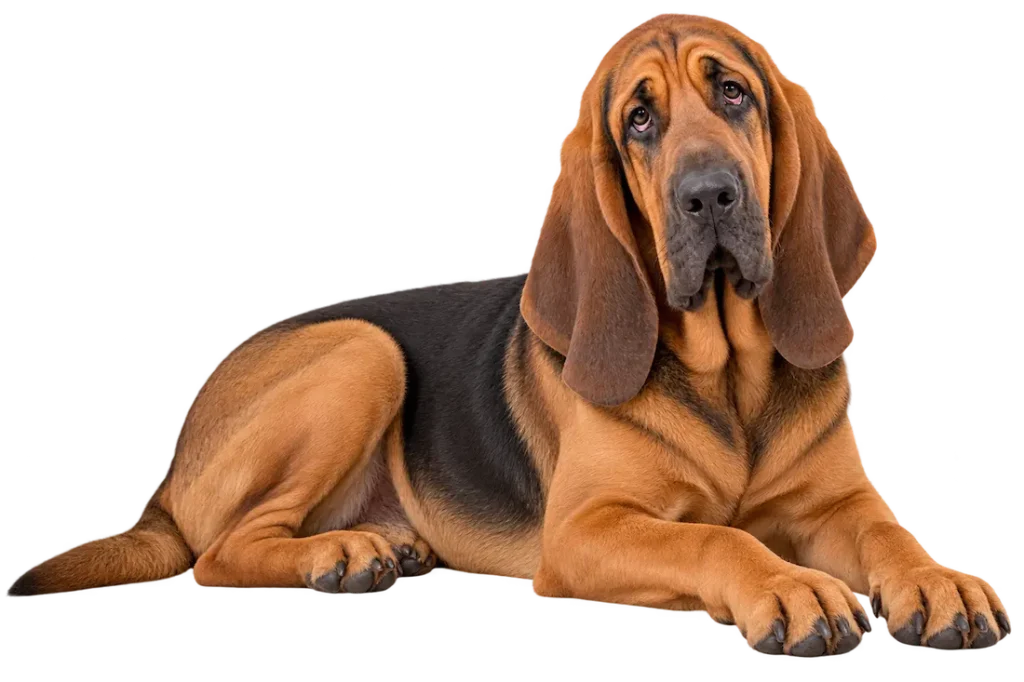
What Do Healthy Dog Ears Look Like?
Before you can spot a problem, it helps to know what’s normal. Your dog’s ears should generally look clean and healthy inside, without obvious redness, swelling or discharge. They shouldn’t have a strong or unpleasant odor, and your dog shouldn’t be uncomfortable when you gently handle them.
A small amount of ear wax can be perfectly normal. What matters is knowing what’s normal for your dog, so you’ll notice when something changes.
| What You See | What It May Mean | What to Do |
|---|---|---|
| Healthy Ear | Looks normal for your dog, with no strong odor, unusual discharge, redness or discomfort | Keep checking your dog's ears regularly and leave them alone if they're clean and healthy |
| Wax or Debris | Some ordinary wax or debris has built up, but the ear isn't red, inflamed or painful | Cleaning may be appropriate. Follow a safe ear-cleaning method and don’t insert anything deep into the ear canal. |
| Possible Ear Problem | Redness, swelling, strong odor, unusual discharge, pain, persistent scratching or frequent head shaking | Don't treat it as a dirty ear that simply needs cleaning. Contact your veterinarian to find out what's causing the problem |
Routine Dog Ear Care
Make ear checks part of your normal routine
Take a quick look when you’re grooming your dog, after a bath or swim, and after walks through long grass or brush. Once you know what’s normal for your dog, changes are much easier to spot.
The good news is that dog ear care doesn’t have to be complicated. For most dogs, one of the most useful things you can do is simply get into the habit of checking their ears regularly.
Have a quick look inside every now and then and get familiar with what’s normal for your dog. You’re not looking for perfection — you just want to notice when something looks, smells or feels different.
Check for changes in odor, redness, discharge, excess wax or debris, and pay attention if your dog suddenly becomes uncomfortable when you touch their ears.
You don’t need to clean healthy ears just because you’re checking them. In fact, unnecessary or excessive cleaning can irritate the ear canal. If the ears look healthy and there’s no troublesome buildup, it’s usually best to leave them alone.
Keeping Your Dog’s Ears Dry
If your dog loves swimming, keeping their ears dry is an important part of routine ear care. Moisture trapped in the ear canal can create conditions that encourage bacteria and yeast to grow, particularly in dogs that are already prone to ear problems.
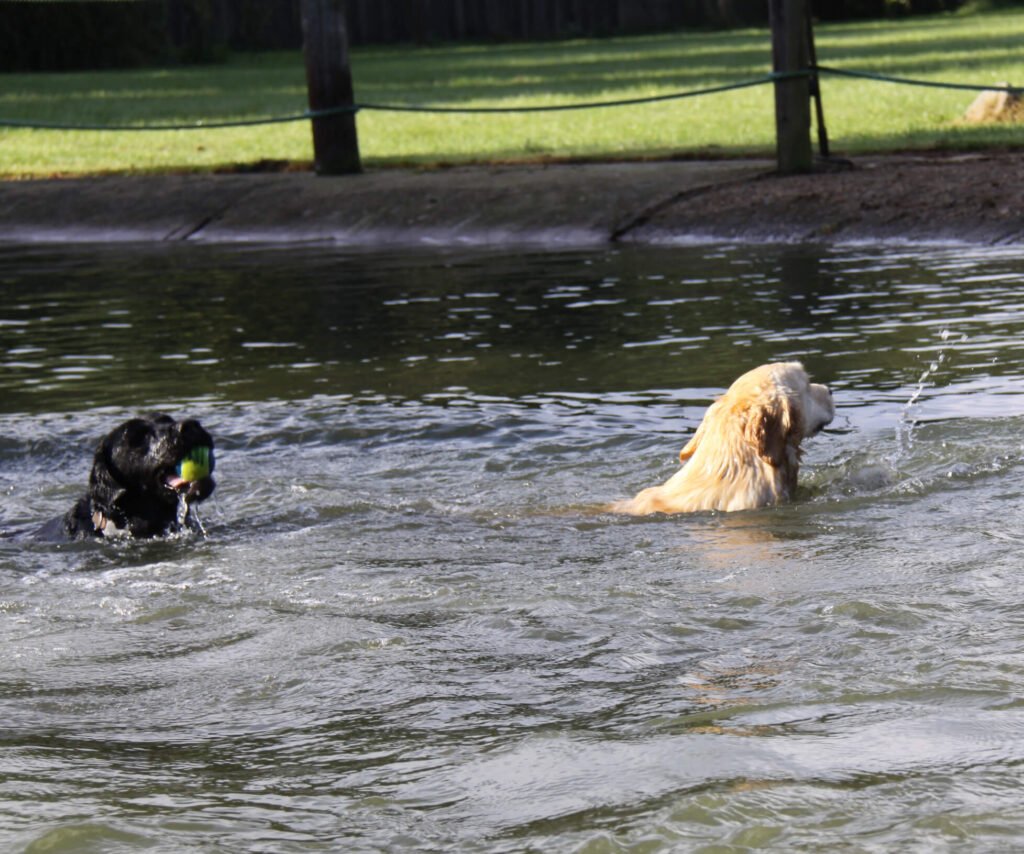
After swimming or bathing, gently dry around the ear opening and the inside of the ear flap with a clean, soft towel or cloth. Don’t push cotton swabs, cloth or anything else down into the ear canal.
Dogs with long, floppy ears may need a little more attention because moisture and reduced airflow can make ear problems more likely. If your dog swims frequently or has a history of recurring ear infections, ask your vet whether a dog-specific ear cleaner or drying product would be appropriate.
If your dogs love the water, as mine do, checking and drying their ears afterwards is an easy habit to get into.
Does My Dog’s Ear Need Cleaning?
Not every dog needs regular ear cleaning. If your dog’s ears look healthy, smell normal and don’t have a noticeable buildup of wax or debris, there may be nothing you need to do.
If you do notice a buildup of wax or debris, cleaning may help — but first take a good look at the ear. Redness, swelling, unusual discharge, a strong odor or obvious discomfort can be signs that something more than dirt is going on.
If the ear looks sore or your dog is constantly scratching, shaking their head or pulling away when you touch the ear, don’t assume it simply needs a good clean. That’s the time to talk to your vet.
Need to clean your dog’s ears?
See my step-by-step guide to Cleaning Dogs’ Ears for what you’ll need and how to do it safely.
Signs Your Dog May Have an Ear Problem
Because you’ve been checking your dog’s ears regularly, you’ll have a much better chance of noticing when something changes. Sometimes the first clue isn’t what you can see inside the ear at all — it’s what your dog starts doing.
One of these signs doesn’t tell you exactly what’s wrong. Ear infections, allergies, mites, foreign material and other problems can cause similar symptoms, which is why trying to diagnose an ear problem from one symptom alone can be misleading.
If the changes persist, the ear looks inflamed or painful, or your dog seems particularly uncomfortable, it’s time to have your vet take a look.
Common Dog Ear Problems
A sore, itchy or smelly ear can have several different causes, and unfortunately they can look remarkably similar from the outside. That’s one reason it’s worth resisting the temptation to diagnose an ear problem based on one symptom alone.
Here are some of the more common problems that may be behind a change in your dog’s ears.
Ear Infections
Ear infections can cause redness, odor, discharge, itching, head shaking and pain. Bacteria and yeast can be involved, but an infection may also be part of a bigger problem rather than something that simply appeared on its own.
If your dog keeps getting ear infections, finding out why they’re recurring is important rather than repeatedly treating the symptoms.
Allergies
Allergies can contribute to recurring ear trouble in some dogs. You may notice problems elsewhere too, such as itchy skin, paw licking, face rubbing or scratching.
If your dog’s ear problems keep returning, mention any other skin or itching problems to your vet. Those extra clues may help them work out what’s going on.
What Ava taught me about ear problems
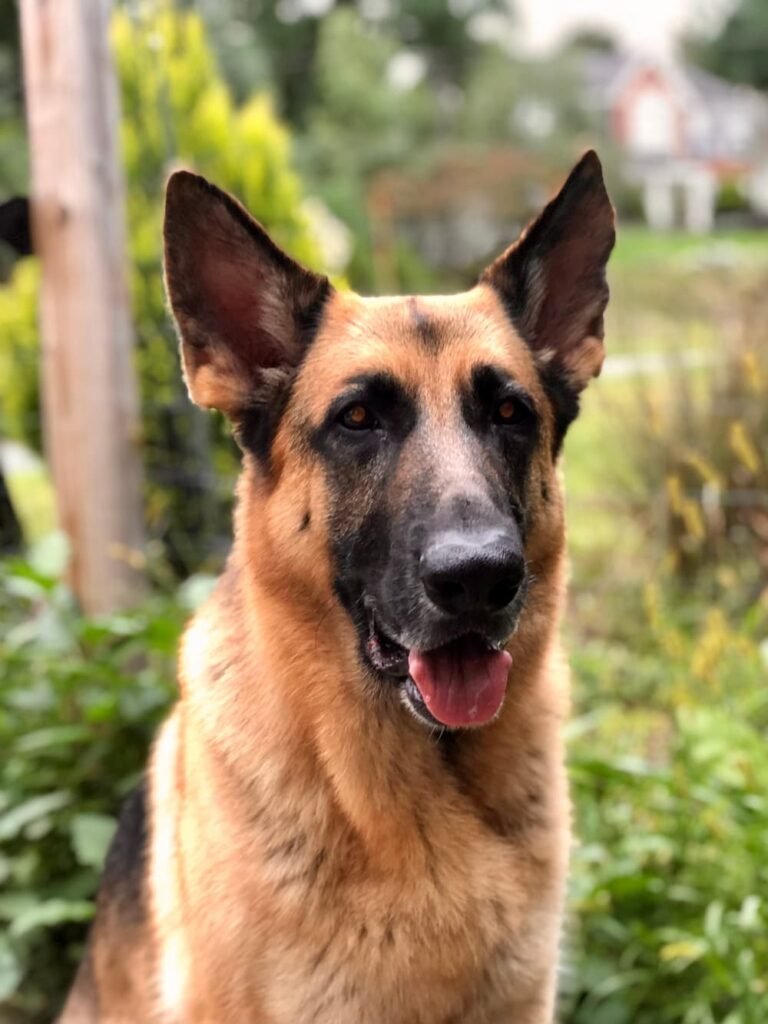
My German Shepherd, Ava, had those lovely big ears that stood straight up — but she still had recurring problems with them. I used to think dogs with long, floppy ears were the ones you really had to worry about.
Ava taught me otherwise. The shape of a dog’s ears can certainly play a part, but when ear problems keep coming back, there may be more going on than meets the eye.
Ear Mites
Ear mites are tiny parasites that can cause intense itching, head shaking and dark debris in the ears. Those signs can overlap with other ear problems, though, so dark debris or scratching alone doesn’t prove that mites are the cause.
Your vet can examine material from the ear to determine whether mites are actually present and recommend appropriate treatment.
Foreign Bodies
Grass seeds and other plant material can sometimes find their way into a dog’s ear, especially after walks through long grass or brush. A dog may suddenly start shaking their head, scratching at one ear or acting uncomfortable.
After a walk through long grass, give the ears and surrounding coat a quick once-over before you head inside. Grass seeds have an annoying knack for ending up exactly where you don’t want them.
Excess Wax and Debris
Some ear wax is normal, and the amount can vary from dog to dog. What matters more is a change from what’s normal for your dog, especially if increased debris appears alongside odor, redness, itching or discomfort.
If it’s simply ordinary buildup in an otherwise healthy ear, appropriate cleaning may be all that’s needed. If other symptoms are present, treat it as a possible ear problem rather than just a dirty ear.
When to See Your Vet
Some ear problems are uncomfortable enough that it’s better not to wait and see. Contact your vet if your dog’s ear is painful, very red or swollen, has unusual discharge or a strong odor, or if your dog keeps scratching at the ear or shaking their head.
You should also get veterinary help if ear problems keep coming back.
Recurring infections or inflammation can be a sign that there’s an underlying issue that needs investigating, rather than simply another dirty ear that needs cleaning.
Seek veterinary attention promptly if your dog develops more worrying signs such as a pronounced head tilt, loss of balance, difficulty walking normally or significant pain.
Before you reach for the ear cleaner…
If the ear is painful, inflamed or producing unusual discharge, have your vet check it rather than repeatedly cleaning it at home. Cleaning can also alter what’s in the ear, which may make it harder for your vet to assess what’s causing the problem.
Simple Ways to Help Prevent Ear Problems
You can’t prevent every ear problem — dogs have a habit of making sure life is never quite that simple! But a few basic habits can help you catch problems early and avoid some unnecessary irritation.
Check the ears regularly. Get to know what’s normal for your dog so that changes in smell, appearance or behavior stand out.
Dry the ears after swimming or bathing. Pay particular attention to dogs that spend a lot of time in the water or have long, floppy ears.
Check after walks through long grass. Look over the ear flaps and surrounding coat for grass seeds and other plant material before they have a chance to cause trouble.
Clean only when there’s a reason to. Healthy ears don’t need constant cleaning, and over-cleaning can cause irritation.
Pay attention to recurring problems. If the same ear trouble keeps coming back, talk to your vet about what may be causing it rather than simply treating each episode as it appears.
What About Hair Inside the Ears?
Some dogs naturally have a lot of hair around or inside their ears. Routine ear-hair plucking isn’t something I’d automatically recommend as part of home ear care. If the hair is causing problems or making it difficult to manage your dog’s ears, ask your vet or groomer what’s appropriate for your individual dog.
Dog Ear Care FAQs
How often should I check my dog’s ears?
There’s no need to turn it into a complicated schedule. Make ear checks part of your normal grooming routine, and take an extra look after swimming, bathing or walks through long grass. The important thing is getting to know what’s normal for your dog so you notice when something changes.
How often should I clean my dog’s ears?
There isn’t one cleaning schedule that suits every dog. If your dog’s ears are healthy and clean, they may not need routine cleaning at all. Dogs that produce more wax or are prone to ear problems may need a different routine, so ask your vet what’s appropriate for your dog.
Why does my dog keep getting ear problems?
Recurring ear trouble can have an underlying cause. Allergies are one possibility, but ear anatomy and other medical problems can also play a part. If the problem keeps returning, it’s worth finding out what’s driving it rather than repeatedly treating the ears at home.
Can I use vinegar to clean my dog’s ears?
I wouldn’t use homemade vinegar mixtures as a general ear cleaner. They can irritate sore or inflamed ears, and if your dog already has signs of an ear problem, it’s better to find out what’s causing it. Use a dog-specific ear cleaner recommended for your dog, and check with your vet if you’re unsure what to use.
A Little Attention Goes a Long Way
The more often you casually check your dog’s ears, the easier it becomes to recognize what’s normal for them. Before long, you’ll notice something unusual almost without thinking about it.
You don’t need to fuss over healthy ears or clean them just because you think you should. Check them, keep them dry after those swims and baths, and pay attention when something changes.
Your dog may not be able to tell you their ear is bothering them, but the head shaking, scratching and “please don’t touch that ear” reaction usually do a pretty good job of speaking for them.
Looking after your dog’s ears is just one part of keeping them healthy and comfortable. For more practical everyday advice, visit my Dog Care Tips guide.
References
Merck Veterinary Manual: Ear Infections and Otitis Externa in Dogs
Merck Veterinary Manual: Disorders of the Outer Ear in Dogs
Merck Veterinary Manual: Middle and Inner Ear Infections in Dogs
VCA Animal Hospitals: Ear Cleaning in Dogs