
Puppy Development Stages
From Tiny Newborn to Teenage Troublemaker
Your puppy will change remarkably quickly during those first months. Understanding each stage of puppy development—and what to expect along the way—can help you support your pup as they grow into a happy, confident adult dog.
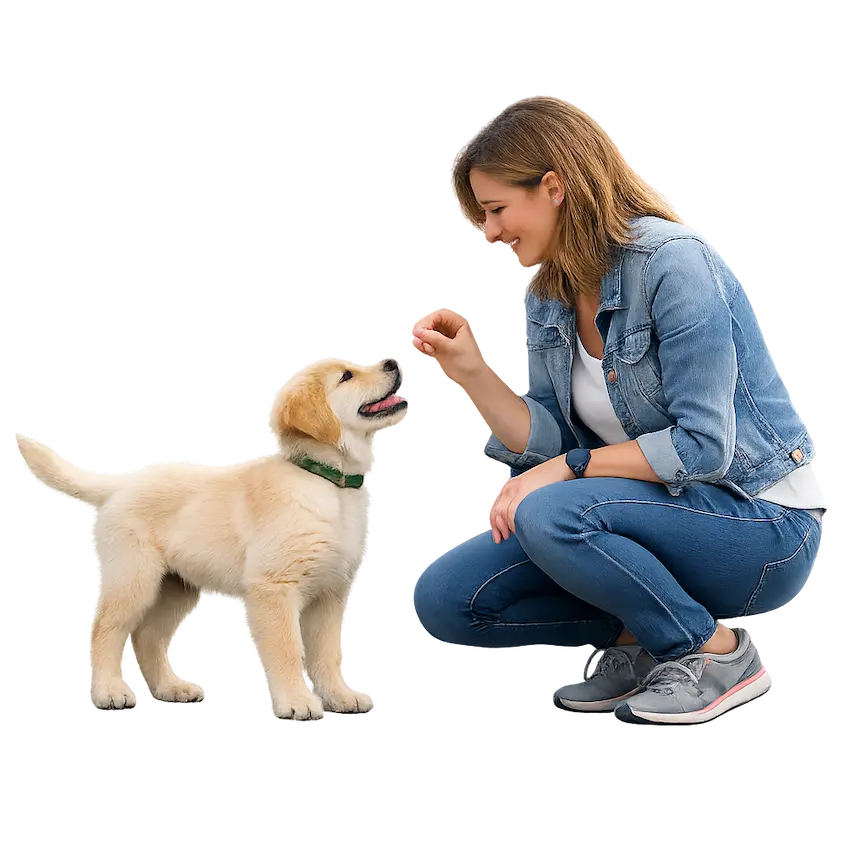
Puppies grow up incredibly quickly. One minute you have a tiny pup who wants to stay close to you, and before you know it, you have a curious teenager who suddenly seems to have ideas of their own!
Understanding the different stages of puppy development can help you make sense of the physical and behavioral changes you’ll see along the way. It also helps you know when to focus on important things such as socialization, training and helping your puppy become comfortable with the world around them.
Some stages are certainly easier than others. Adolescence, in particular, may test your patience! But knowing what to expect—and continuing with positive, consistent training as your puppy grows—can make those changes much easier to handle.
Let’s look at the main puppy development stages, from those first newborn weeks through to adolescence.
Puppy Development Stages at a Glance
| Stage | Approximate Age | What's Happening | Your Main Focus |
|---|---|---|---|
| Neonatal Period | Birth–2 weeks | Puppies depend completely on their mother and are still developing their senses and mobility. | Appropriate maternal care and gentle handling |
| Transitional Period | 2–3 weeks | Eyes and ears open, movement improves and puppies begin interacting more with their littermates. | Gentle handling and a safe environment |
| Socialization Period | 3–12 weeks | Puppies become increasingly curious and learn about people, dogs and the world around them. | Safe, positive socialization and early training |
| Juvenile Period | 3–6 months* | Independence and exploration increase while teething, chewing and learning continue. | Positive training, appropriate chewing outlets and continued socialization |
| Adolescence | From around 6 months | Growing independence and sexual maturity can bring noticeable behavioral changes. | Consistency, positive training, exercise and enrichment |
*These age ranges are approximate. Puppy development varies between individuals and breeds, and larger breeds generally take longer to reach physical and social maturity.
Stage 1: Neonatal Period — Birth to 2 Weeks
During the neonatal stage, puppies are completely dependent on their mother. They are born with their eyes and ears closed and have very limited mobility, so most of their time is spent nursing and sleeping.
Their mother provides warmth, food and essential care, including helping them eliminate during these earliest days. Gentle human handling can also begin during this period, provided the mother is comfortable and the puppies are handled carefully.
By around two weeks old, puppies are becoming more alert and may begin trying to stand as they approach the next stage of development.

What to Focus on at This Stage
At this stage: Puppies need warmth, nutrition, maternal care and gentle handling. If you’re choosing a breeder, this early care is largely in their hands.
Stage 2: Transitional Period — 2 to 3 Weeks
Things start changing quickly during the transitional period. Puppies’ eyes begin to open, their hearing develops and they become much more aware of the world around them.
They’ll also become more mobile, progressing from crawling to standing and taking their first rather wobbly steps. You’ll begin to see more interaction with their littermates too, including early attempts at play, tail wagging and even little barks and growls.
Their baby teeth also start to appear around this time, although teething will become a much bigger part of life a little later!
This is a short stage, but an exciting one. By the end of it, your tiny, completely dependent newborn is beginning to look and behave much more like a puppy.
What to Focus on at This Stage
At this stage: Puppies still need their mother and littermates, along with a warm, safe environment and gentle, positive handling. Their world is beginning to open up, but there’s no need to rush them into lots of new experiences just yet.
Stage 3: Socialization Period — 3 to 12 Weeks
This is one of the most important stages of puppy development—and it’s also when you’re most likely to bring your new puppy home.
During the socialization period, puppies are learning about the world around them. Their experiences with people, other dogs, everyday sounds, different environments and handling can influence how comfortable and confident they become as they grow.
A lot changes between three and twelve weeks, so let’s break this stage down into smaller age ranges.
3 to 5 Weeks — Discovering the World
Between three and five weeks, puppies become increasingly aware of their surroundings and start interacting much more with their littermates, their mother and the people around them.
This is when those little personalities really start to show. Puppies begin playing with one another, exploring their surroundings and developing important social skills through interactions with their littermates.
Although your puppy will probably still be with the breeder at this age, those early experiences matter. I personally like to see puppies raised in a home environment, or at least spending plenty of time around people and normal household life.
Think about just how noisy an ordinary home can be—the TV, vacuum cleaner, dishwasher, washing machine, phones ringing, people talking and laughing, and inevitably someone dropping something! When puppies are gently exposed to these everyday sounds from an early age, they have the opportunity to learn that they’re simply a normal part of life. You may even find them happily sleeping through the usual household commotion—as the five-week-old pups in the photo below were doing.

What to Focus on at This Stage
At this stage: If you’re choosing a breeder, ask how the puppies are being handled and socialized and what experiences they’ll have before they leave for their new homes.
5 to 8 Weeks — Learning Through Play
By five or six weeks old, puppies are becoming much more active, playful and curious. If your breeder allows visits, this can be a lovely time to meet the puppies and see how they’re developing.
Watch how they interact with their littermates and with people. At this age, play is about much more than having fun. Puppies are learning important communication and social skills from their mother and littermates, including how their actions affect other puppies.
You’ll probably become part of the entertainment too! Curiosity is growing rapidly, and those little mouths are becoming increasingly important for investigating the world. Don’t be surprised if your fingers, clothes or shoelaces suddenly seem fascinating.
If those little teeth are already making their presence felt, understanding puppy biting and bite inhibition will help you know what’s normal and how to respond.
Puppies also benefit from continuing to have positive experiences with different people, gentle handling, everyday household activity and safe new sights and sounds while they’re still with the breeder.
If you’re able to visit, this is a good opportunity to see the puppies in their normal environment rather than simply choosing the one that looks cutest in a photograph. You can also ask the breeder what they’re doing to prepare the puppies for the transition to their new homes.
What to Focus on at This Stage
At this stage: Look for puppies having plenty of appropriate interaction with their mother, littermates and people, alongside gentle exposure to everyday life. If you’re visiting your future puppy, keep the experience calm and positive.
8 to 12 Weeks — Coming Home
For many of us, this is the exciting bit—your puppy is finally coming home!
At around eight weeks old, your puppy is still right in the middle of the socialization period. Everything is new: your home, your family, unfamiliar sounds and smells, perhaps another dog, and a completely different daily routine.
Your puppy is also becoming much more curious and independent. They’ll want to explore, investigate and, very often, put their teeth on just about everything they find! This is a wonderful time for learning, but new experiences should be introduced gradually and positively rather than overwhelming your puppy with too much at once.
Continue socialization with different people, friendly dogs where appropriate, surfaces, sounds, objects and environments. The aim isn’t simply to expose your puppy to as many things as possible—it’s to help them have positive experiences and learn that the world is a safe place.
This is also a good time to begin establishing everyday routines, including house training, short positive training sessions and gradually teaching your puppy to feel comfortable spending a little time alone.
If you already have another dog, take some care with those first introductions too. A calm, well-managed introduction can help both dogs adjust to their new living arrangement.
Those Little Puppy Teeth!
Puppy biting often becomes very noticeable around this age. Until recently, your puppy had littermates to wrestle, chase and bite during play. Those interactions helped puppies learn that biting too hard has consequences—for example, their playmate may yelp or stop playing.
Now you’re the one on the receiving end of those needle-sharp teeth!
Biting and mouthing are normal puppy behaviors, but this is a good time to start gently teaching your puppy appropriate ways to use their mouth and giving them suitable toys to chew.
Don't Be Fooled by the Puppy Who Stays Close!
You may also notice your puppy starting to wander farther away as their confidence and curiosity grow. Don’t assume that the tiny puppy who follows you everywhere will always stay conveniently by your side!
I learned this with my own puppy. Every morning we’d go out the front door, she’d pee on the lawn and then turn around and follow me straight back inside. Once she reached about 12 weeks, however, she started wandering and sniffing before coming back.
Then one morning she spotted a rabbit and took off after it! Luckily, she didn’t go far and we didn’t have traffic out front, but from that day on she went outside on a leash.
As your puppy becomes braver and more interested in the world, use a leash or a securely fenced area rather than relying on them to stay close simply because they always have before.
What to Focus on at This Stage
At this stage: Focus on positive socialization, house training, gentle training, appropriate chewing and biting habits, safe exploration and helping your puppy gradually become comfortable with short periods alone.
Stage 4: Juvenile Period — 3 to 6 Months
Your puppy isn’t quite the tiny baby you brought home anymore. During these months, you’ll probably notice growing confidence, curiosity and independence—and possibly a little more determination to do things their own way!
Keep up the socialization you started earlier. Your puppy is still learning from their experiences, so positive exposure to different people, dogs, places, sounds and everyday situations remains important as their world gets bigger.
Training should continue too. Short, positive sessions are a great way to build good habits and give that busy puppy brain something constructive to do. Consistency matters, but there’s no need to establish yourself as a “pack leader”—focus instead on rewarding the behaviors you want and helping your puppy understand what’s expected of them.
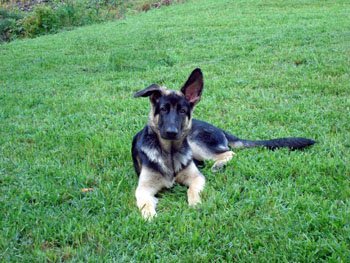
Teething and Chewing
At around 3½ to 4 months, puppies begin losing their baby teeth as their permanent teeth start coming through. For most puppies, the process is largely complete by around 6 to 7 months.
And yes, this can mean a lot of chewing!
You may occasionally find a tiny baby tooth, although puppies often swallow them harmlessly. You might also notice a small amount of blood on a toy while a tooth is being lost.
Give your puppy plenty of safe, appropriate things to chew and keep tempting possessions out of reach. Shoes, furniture and anything else at puppy level can suddenly become extremely appealing during this phase.
A Simple Teething Tip
If your puppy’s gums seem sore, try chilling or freezing a puppy-safe rubber teething toy. A stuffable puppy toy filled with some of their regular food and then frozen can keep them occupied while giving those tender gums something appropriate to chew.
Whatever you give your puppy, supervise them while they’re chewing and remove anything that starts to break apart. Avoid bones, antlers and very hard chews, which can damage those new teeth.
Keep an Eye on Those Baby Teeth
Sometimes a baby tooth doesn’t fall out when its adult replacement comes through. You may notice what looks like two teeth occupying the same spot.
These are known as retained deciduous teeth. They can cause crowding, discomfort and problems with the alignment of the adult teeth, as well as increasing the risk of future dental problems. If you notice one, have your veterinarian examine your puppy’s mouth rather than waiting to see whether it sorts itself out.
What to Focus on at This Stage
At this stage: Continue positive training and socialization, provide safe outlets for chewing, puppy-proof tempting belongings and keep an eye on your puppy’s changing teeth.
Stage 5: Adolescence — From Around 6 Months
Adolescence!
What can I say about this stage of puppy development except… hang in there. It does get better!
Your cute little puppy is becoming a teenager. As adolescence begins, hormonal changes, growing confidence and increasing independence can all affect behavior. You may suddenly find that the puppy who was making wonderful progress seems to have forgotten half of what you’ve taught them.
They haven’t—but adolescence can certainly make it feel that way!
The timing varies considerably between dogs. Smaller breeds generally mature earlier, while larger and giant breeds can take much longer to reach full physical and social maturity. Adolescence can begin at around six months, but development continues well beyond that point, particularly in larger dogs.
What Changes During Puppy Adolescence?
You may notice your adolescent puppy becoming more adventurous, energetic or easily distracted. Behaviors that seemed to be improving can also make an unwelcome comeback.
Common changes you might notice include:
- more interest in exploring and roaming
- difficulty concentrating during training
- apparently “forgetting” familiar cues
- increased chewing or destructive behavior
- lots of exuberant energy
- urine marking
- mounting
- increased interest in other dogs
- changes associated with sexual maturity
- increased barking or other attention-seeking behaviors
When Behavior Is More Than Teenage Mischief
Some adolescent behavior is frustrating but manageable. However, don’t dismiss growling, snapping, resource guarding, significant fear or aggressive behavior as your puppy simply “testing” you.
If you’re concerned about your dog’s behavior, speak to your veterinarian first to rule out pain or another medical problem. They can also help you find an appropriately qualified behavior professional if necessary.
Avoid trainers who rely on intimidation, physical punishment or methods designed around establishing “dominance.” Look instead for a professional who uses positive, reward-based training methods.
Consistency Really Matters Now
My German Shepherd, Hudson, was a total hooligan through adolescence, but once he reached about two years old he was a sweetheart—and still is. My Mum’s Golden Retriever, Tess, was much milder as a teenager, although she was still a bit of a maniac and took longer to fully mature.
Those two dogs are a good reminder that adolescence doesn’t look exactly the same in every puppy.
I’ve found that plenty of appropriate exercise, mental stimulation and regular positive training can make this stage much easier to live with. Keep your expectations realistic, reward the behaviors you want and try to stay consistent with the routines and boundaries your puppy already knows.
If destructive chewing has returned, go back to managing your puppy’s environment too. Puppy-proof tempting areas, provide appropriate chew toys and use a crate or safe confinement area if your puppy has already been introduced to one appropriately.
And when your teenager suddenly appears to have developed selective hearing, don’t assume all that earlier training was wasted. Keep practising!
What to Focus on at This Stage
At this stage: Keep training positive and consistent, provide plenty of appropriate physical and mental activity, manage the environment to prevent unwanted behavior and seek professional help for significant fear, aggression or resource guarding.
Puppy Development and Fear Periods
Has your normally confident puppy suddenly become suspicious of something they didn’t seem bothered by yesterday? Welcome to another interesting part of puppy development!
Some puppies go through periods when they appear more sensitive or fearful of unfamiliar—or sometimes previously familiar—people, objects, sounds or situations. You may hear these referred to as fear periods.
Exactly when they happen isn’t as predictable as some puppy-development charts suggest, and not every puppy will respond in the same way. What’s more important is recognizing when your puppy is feeling worried and responding appropriately.
What Does Fear Look Like in a Puppy?
A frightened puppy won’t always simply run away. Watch for changes in body language and behavior such as:
- backing away or trying to hide
- crouching or lowering the body
- a tucked tail
- freezing or becoming reluctant to approach
- refusing treats they would normally take
- trembling or trying to escape
- barking or growling when something comes too close
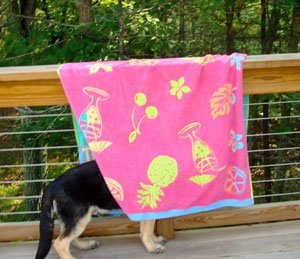
Helping Your Puppy Through a Fearful Phase
If your puppy suddenly seems frightened by something, don’t force them to confront it. Give them enough distance to feel safe and let them investigate at their own pace.
Keep experiences calm and positive. Treats, play and plenty of space can help your puppy form better associations, but if they’re too frightened to eat, play or engage with you, that’s a good sign the situation is simply too much right now.
You don’t necessarily need to stop socialization altogether. In fact, safe and positive socialization remains important during puppyhood. The key is to adjust the experience to the puppy in front of you, rather than overwhelming them in an attempt to make them “get used to it.”
What About Vet Appointments?
Don’t postpone necessary veterinary care simply because your puppy seems to be going through a fearful phase. If you’re worried about how they’ll cope with a visit, talk to your veterinary team beforehand. Many practices can make visits less stressful, and some offer short, positive social visits to help puppies become comfortable with the clinic environment.
When to Get Extra Help
Most importantly, don’t assume that significant or persistent fear is something your puppy will simply grow out of.
If your puppy is regularly frightened, struggling to recover after being startled, becoming increasingly fearful, or responding with growling, snapping or other concerning behavior, speak with your veterinarian. Getting appropriate help early is preferable to waiting for the problem to become established.
Puppy Development Wrap-Up
Puppies certainly pack a lot of growing and learning into a relatively short space of time!
Understanding the different stages of puppy development won’t mean there won’t be surprises along the way—there almost certainly will be—but it can help you recognize what’s happening and adjust your expectations as your puppy grows.
Keep providing positive experiences, consistent training, appropriate exercise and enrichment, and plenty of opportunities for your puppy to learn about the world at a pace they can handle.
There’s plenty more to learn as your puppy grows, so take a look through our Puppy Information section for more help with raising and caring for your new pup.
And when adolescence arrives and your previously attentive puppy suddenly develops a mind of their own, remember: hang in there! That mischievous teenager is still learning, and with your guidance, they’re well on their way to becoming an adult dog.
References
The puppy development and behavior information on this page has been reviewed against current veterinary and animal behavior guidance. For further reading:
- VCA Animal Hospitals — Puppy Behavior and Training: Socialization and Fear Prevention
Guidance on puppy socialization, developmental experiences, recognizing fear and introducing new experiences at a puppy’s pace.
Puppy Behavior and Training: Socialization and Fear Prevention - American Veterinary Society of Animal Behavior (AVSAB) — Position Statements
Evidence-based guidance on puppy socialization, humane training methods and the use of reward-based rather than dominance-based training approaches.
AVSAB Position Statements - VCA Animal Hospitals — Teeth, Teething and Chewing in Puppies
Veterinary guidance on puppy teeth, the teething timeline, chewing and common dental concerns during development.
Teeth, Teething and Chewing in Puppies - VCA Animal Hospitals — Persistent Deciduous Teeth (Baby Teeth) in Dogs
Veterinary information about retained baby teeth, when permanent teeth normally appear and when veterinary attention may be needed.
Persistent Deciduous Teeth in Dogs