
Dog Dry Skin: Home Remedies and When to See a Vet
What’s causing your dog’s dry, itchy skin — and what can you do about it?
Dry, flaky skin can leave your dog itchy and uncomfortable. I’ve dealt with it myself with my German Shepherd, Hudson. Here I’ll share what helped him, the common causes of dry skin in dogs, what you can safely try at home, and when it’s time to call your vet.

Dog Dry Skin at a Glance
Dry skin in dogs can have several causes, including dry indoor air, grooming habits, diet, allergies, parasites, or an underlying health problem.
- Look for: itching, scratching, dandruff or flaky skin, redness, and changes to the coat.
- For mild dry skin: changes to bathing and grooming, adding moisture to the environment, and appropriate skin and coat care may help.
- Don’t assume it’s simply dry skin: allergies, parasites, infections and other conditions can cause similar symptoms.
- See your vet: if your dog has sores, bleeding, swelling, a bad odor, significant hair loss, severe itching, or symptoms that persist despite home care.
My Experience With Dog Dry Skin
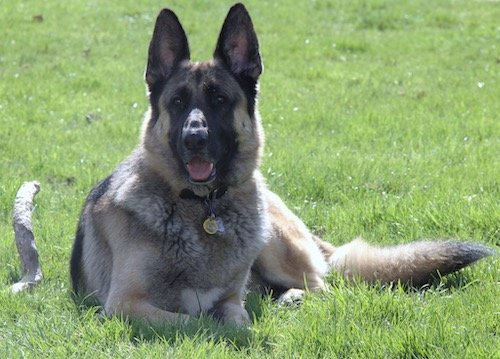
Meet Hudson, my German Shepherd. He had persistent problems with dry, itchy skin, particularly during the winter months.
It took some trial and error to work out what was making Hudson’s skin so dry — and, more importantly, what actually helped.. In Hudson’s case, dry indoor air during the winter, his diet and the products I was using to bathe him all seemed to play a part.
I’ll share what worked for Hudson as we go, but first, let’s look at the symptoms and the different reasons a dog can develop dry, flaky skin.
Signs and Symptoms of Dry Skin in Dogs
The most obvious signs of dry skin are usually itching and flaky skin, but you may notice changes in your dog’s coat and behavior too.
Common signs include:
- Frequent itching or scratching
- Dandruff or visible white flakes
- Dry, rough or scaly patches of skin
- Red or irritated skin
- Increased licking or chewing
- Increased shedding or changes to the coat
- Discomfort when certain areas of skin are touched
Not every dog will have all of these symptoms. Hudson, for example, had persistent itching, visible dandruff, increased shedding and areas that seemed uncomfortable when touched.
Watch for more than simple dryness: Hair loss, bumps, sores, bleeding, discharge, swelling, a bad odor or significant inflammation can occur with other skin problems and are good reasons to have your dog checked by your veterinarian rather than assuming dry skin is the cause.
What Causes Dry Skin in Dogs?
Dry, flaky skin isn’t a diagnosis by itself. Sometimes the cause is relatively simple, such as dry indoor air or bathing too frequently, but itching and flaky skin can also be signs of allergies, parasites, infection or an underlying health problem.
Finding the cause matters because treating the dryness alone won’t necessarily solve the problem.
1. Diet and Nutrition
Good nutrition plays an important role in keeping your dog’s skin and coat healthy. Nutritional deficiencies can contribute to dry, scaly skin and a dull or brittle coat, particularly when a dog’s diet isn’t complete and balanced.
Essential fatty acids are especially important for healthy skin. Omega-3 fatty acids such as EPA and DHA may also help support the skin barrier and reduce inflammation in some dogs.
If you’re considering fish oil or another supplement, check with your veterinarian first. Your dog may already be getting omega-3s from their food, and more isn’t automatically better.
2. Bathing and Grooming
How often you bathe your dog — and what you bathe them with — can affect their skin. Bathing too frequently can strip natural oils from the coat and contribute to dryness and irritation, while regular brushing helps with general coat and skin care.
There’s no single bathing schedule that’s right for every dog. Coat type, lifestyle and existing skin problems all make a difference, and dogs with ongoing skin conditions may need a bathing routine or medicated shampoo recommended by their veterinarian.
For this part, I asked the advice of professional groomer Tarah Schwartz. Tarah is an author and professional groomer who has also worked as a veterinary technician and boarding kennel supervisor.
A Professional Groomer’s Advice
As you can imagine, how often you bathe your dog and what type of shampoo you use can have a significant impact on their dry skin. Depending on your dog’s breed and skin type, most groomers would recommend bathing every four to six weeks.
Even if you use an appropriate shampoo, washing your dog too often can strip the skin of its natural oils and cause itching and flaking. Likewise, not bathing your dog often enough allows the coat’s oils and dead skin to build up, which can lead to a matted coat and itchy skin.
Look for a shampoo that’s intended for itchy or sensitive skin. Check the ingredients on the back of the bottle, too. Shampoos containing colloidal oatmeal can be helpful for dry skin. The oatmeal can help soothe irritated skin. Other ingredients commonly found in shampoos for itchy or sensitive skin include vitamin E and aloe.
Never use human shampoo on your dog. The pH of human skin is different from that of dogs, and human shampoo may cause further irritation.
The way you bathe your dog is as important as the products you use. When shampooing, make sure the product reaches the skin. You may need a rubber brush to help with this. Once you’ve worked the shampoo down to the skin, rinse the coat thoroughly. Shampoo left in the coat can further irritate dry skin, so when you think you’ve finished rinsing, rinse once more.
Consider using additional grooming products such as a moisturizing conditioner or rinse after shampooing. Conditioning rinses can soften the coat and moisturize the skin, making the coat easier to comb between baths.
Tarah Schwartz, Professional Groomer
3. Dry Air and Seasonal Changes
Hudson’s skin was always worse during the winter. In our case, I suspected the dry air inside the house was contributing just as much as the weather outside.
Once the heating goes on for winter, the air inside our homes can become surprisingly dry. If your dog’s skin seems worse during the colder months, increasing the humidity may help with simple dryness.. A humidifier is an easy option, particularly if your dog spends most of the day indoors.
Just don’t assume that winter automatically means dry skin or summer means allergies. Some environmental allergies are seasonal, while others — including reactions to dust mites — can cause problems throughout the year.
4. Allergies
Allergies are another common cause of itchy, irritated skin in dogs. Triggers can include flea bites, environmental allergens such as pollen, mold and dust mites, certain foods, and substances that come into contact with the skin.
Allergies don’t always look like simple dry skin. You may also notice persistent scratching, paw licking, face rubbing, redness or recurring skin and ear problems.
Because allergies can look very similar to parasites and skin infections — and can occur alongside them — persistent itching is something to discuss with your veterinarian rather than trying to diagnose the cause yourself.
5. Parasites and Skin Infections
Fleas, mites and other parasites can cause intense itching, irritation and flaky or damaged skin. Bacterial and yeast infections can cause similar problems and may develop secondarily when a dog has been scratching or licking irritated skin.
Hair loss, scaling, a strong or unusual odor, discharge, sores or worsening redness are clues that you’re dealing with more than straightforward dry skin. Your veterinarian may use tests such as skin scrapings or cytology to help identify the cause.
6. Underlying Health Conditions
Sometimes changes in the skin and coat are a sign of a problem elsewhere in the body. Hormonal and metabolic conditions can affect skin and coat quality, so persistent dryness — particularly when it’s accompanied by other changes in your dog’s health — deserves veterinary attention.
For example, hypothyroidism can cause a dry, dull coat, excessive shedding, hair thinning or loss, changes in skin pigmentation and recurring skin or ear infections. Dogs may also show other signs such as weight gain, lethargy or intolerance to cold.
Is It Really Dry Skin?
Dry, flaky skin can seem straightforward, but several different skin problems can look very similar. Dandruff, allergies, fleas and mites, bacterial or yeast infections, and some underlying health conditions can all cause itching, flaking or changes to your dog’s coat.
If your dog has mild flaking and itching that seems to coincide with dry indoor air, changes in grooming or bathing, simple dry skin may be contributing. But symptoms alone don’t always tell you what’s causing the problem.
Hudson had persistent itching, visible dandruff, increased shedding and areas of skin that seemed uncomfortable when touched. Those signs told me something was bothering his skin, but they wouldn’t necessarily point to the same cause in another dog.
Signs It May Be More Than Dry Skin
Pay particular attention if you notice:
- Intense or persistent itching
- Significant or patchy hair loss
- Red, inflamed or swollen skin
- Sores, scabs or bleeding
- Discharge or an unusual odor
- Frequent paw licking or face rubbing
- Recurring ear problems
- Symptoms that continue despite making sensible changes to your dog’s skin care
These signs don’t necessarily mean something serious is wrong, but they are good reasons to involve your veterinarian rather than continuing to treat the problem as simple dry skin.
What Helped Hudson’s Dry Skin
After plenty of trial and error, I found that Hudson’s skin did much better when I tackled several things together rather than looking for one miracle remedy.
For him, that meant paying attention to his diet, keeping up with regular brushing, changing the products I used when bathing him, and dealing with the dry indoor air that seemed to make his skin worse during the winter.
Hudson’s Dry Skin Routine
Regular brushing: I brushed Hudson daily. Apart from removing loose hair — and there was plenty of that with a German Shepherd — brushing helped keep his coat in good condition and gave me a chance to notice any changes in his skin.
Bathing and moisturizing: About once a month, I bathed him using a dog shampoo containing colloidal oatmeal followed by a moisturizing rinse. The combination worked well for him without bathing him excessively.
Omega-3 supplementation: I also added salmon oil to Hudson’s food. Omega-3 fatty acids can support skin and coat health, although supplements aren’t appropriate or necessary for every dog. If you’re considering adding fish oil to your dog’s diet, check the product and dosage with your veterinarian first.
More humidity in winter: Because Hudson’s problems were worse when our heating was running regularly, adding moisture to the dry indoor air was another part of managing his skin during the colder months.
That combination worked really well for Hudson and made a noticeable difference to his skin. Your dog may need a slightly different approach depending on what’s causing the dryness, but hopefully Hudson’s routine gives you a useful place to start.
Home Remedies for Dog Dry Skin
If your dog’s skin is mildly dry and there are no signs of infection, parasites or another underlying problem, there are a few simple things you can try at home to make them more comfortable.
The best approach depends on what’s causing the dryness, so think of these as ways to support your dog’s skin rather than treatments for every itchy dog.
Choose a Gentle, Moisturizing Dog Shampoo
For simple dry skin, look for a shampoo made specifically for dogs and formulated for dry, itchy or sensitive skin. Colloidal oatmeal is one ingredient worth looking for because of its soothing and moisturizing properties.
Other ingredients commonly found in moisturizing dog shampoos include aloe vera and skin-conditioning ingredients designed to help reduce dryness.
Avoid using human shampoo on your dog. Dogs’ skin differs from ours, and products formulated for people may be irritating or unsuitable for canine skin.
Also remember that more shampoo isn’t better. Rinse your dog’s coat thoroughly so no shampoo residue is left against the skin.
Try a Moisturizing Rinse or Conditioner
A dog-safe moisturizing conditioner or rinse after shampooing can help add moisture back to the skin and coat.
This was part of Hudson’s bathing routine and worked particularly well for him. I found the combination of an oatmeal shampoo followed by a moisturizing rinse left his coat soft and his skin much more comfortable.
You don’t need a particular brand — just look for a moisturizing product formulated specifically for dogs and follow the directions on the label.
Give Your Dog an Oatmeal Bath
If you don’t want to give your dog a full shampoo, a colloidal oatmeal bath can be another gentle option for temporarily soothing dry, itchy skin.
Add colloidal oatmeal intended for bathing to lukewarm water and allow it to come into contact with the affected skin. Avoid hot water, which can be drying and uncomfortable on irritated skin.
An oatmeal bath may help soothe the itching for a while, but if your dog keeps getting itchy again, it’s worth finding out what’s behind it rather than reaching for another bath every time.
Brush Regularly
Regular brushing removes loose hair and debris and gives you a good opportunity to check your dog’s skin for flakes, redness, sores, lumps or other changes.
How often you need to brush depends heavily on coat type. With Hudson being a German Shepherd, regular brushing was already very much part of life — along with accepting that German Shepherd hair somehow manages to reach every corner of the house.
Add Moisture to Dry Indoor Air
If your dog’s skin becomes noticeably drier when the heating is running, a humidifier may help by increasing moisture in the indoor air.
You don’t need anything specifically designed for dogs. A normal household humidifier is fine; just use and clean it according to the manufacturer’s instructions.
When to See a Vet for Dry Skin
Mild dry skin may improve with changes to grooming, bathing or the environment, but persistent or severe itching deserves a closer look. Dry, flaky skin can sometimes be a symptom of allergies, parasites, infection or an underlying health condition rather than simply a lack of moisture.
Contact your veterinarian if your dog has:
- Persistent or severe itching
- Open sores, bleeding or scabs
- Significant or patchy hair loss
- Red, swollen or painful skin
- Discharge or an unusual odor
- Recurring skin or ear problems
- A noticeable change in behavior or general health
- Skin problems that aren’t improving despite sensible home care
What Your Vet May Check
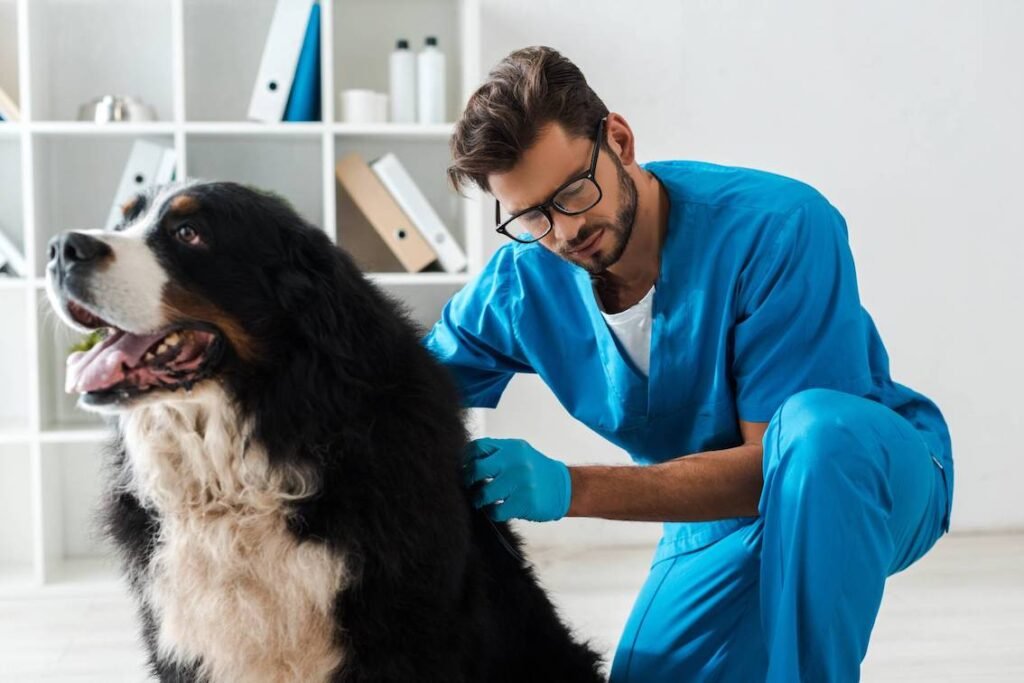
Your veterinarian will examine your dog’s skin and coat and ask about things such as when the problem started, whether it’s seasonal, your dog’s diet, grooming routine, parasite prevention and any other symptoms you’ve noticed.
Depending on what they find, they may recommend tests such as skin scrapings or samples from the skin to look for parasites, bacteria or yeast. Other testing may be appropriate if they suspect allergies or an underlying medical condition.
Treatment then depends on the cause. Your dog may need a medicated shampoo or topical treatment, parasite control, treatment for an infection, changes to their diet or medication to control itching or inflammation.
What About Benadryl for an Itchy Dog?
Diphenhydramine (Benadryl) is sometimes used in dogs for allergic reactions and certain other situations, but it isn’t a particularly reliable treatment for ongoing itchy skin. It can also cause side effects and interact with other medications.
If you’re considering an antihistamine for your dog, ask your veterinarian which medication — if any — is appropriate and what dose to use. Don’t rely on a human dosing chart or assume that an over-the-counter product is automatically safe for dogs. Some human cold and allergy products also contain additional ingredients that can be harmful to pets.
How to Help Prevent Dry Skin in Dogs
You can’t prevent every cause of dry or itchy skin, especially when allergies or an underlying health condition are involved. But good everyday skin and coat care can help keep your dog’s skin healthy and make it easier to spot problems early.
- Feed a complete and balanced diet. Good nutrition provides the nutrients your dog needs to maintain healthy skin and coat. Ask your veterinarian before adding supplements simply for dry skin.
- Don’t over-bathe. How often your dog needs a bath depends on their coat, lifestyle and skin, but unnecessary bathing can contribute to dryness.
- Use products made for dogs. Choose a gentle dog shampoo appropriate for your dog’s skin and rinse the coat thoroughly after bathing.
- Brush regularly. Besides keeping the coat in good condition, brushing gives you a chance to notice flakes, redness, lumps, sore spots or other changes.
- Keep up with parasite prevention. Fleas and mites can cause itching that may initially look like ordinary dry skin.
- Watch the indoor humidity. If your dog’s skin tends to become dry when the heating is running, adding some moisture to the air may help.
- Pay attention to recurring problems. If the itching or flaking keeps coming back, don’t just keep treating the dryness. Recurring skin problems are worth discussing with your veterinarian.
For Hudson, keeping up with his brushing and bathing routine and paying extra attention to his skin during the winter became part of his normal care. Once I knew when his skin was likely to become troublesome, it was much easier to get ahead of it.
Dog Dry Skin FAQs
Is dry skin in dogs worse in winter?
It can be. Cold weather often means dogs spend more time indoors where heating can make the air very dry. Some dogs, including Hudson, seem to have more trouble with dry skin during the winter. However, itching at a particular time of year can also be associated with seasonal allergies, so don’t assume that winter itching is always caused by dry skin.
Is dog dandruff the same as dry skin?
Not necessarily. Dandruff describes the flakes or scales you can see on your dog’s skin and coat, but it doesn’t tell you what’s causing them. Simple dryness can cause flaking, but so can allergies, parasites, skin infections and other conditions. Persistent or excessive dandruff is worth investigating rather than treating as dry skin automatically.
What is the best shampoo for a dog with dry skin?
Look for a gentle shampoo made specifically for dogs and formulated for dry, itchy or sensitive skin. Colloidal oatmeal is a useful ingredient to look for because it can help soothe and moisturize irritated skin. Avoid human shampoo, rinse your dog’s coat thoroughly, and ask your veterinarian about medicated shampoos if the skin problem is persistent or severe.
Can I put coconut oil on my dog's dry skin?
Coconut oil is often suggested as a home remedy, but it isn’t necessary for most dogs with simple dry skin and can make the coat greasy or be licked off. I’d start with gentler, more practical measures such as appropriate bathing, a moisturizing dog product and addressing dry indoor air. If your dog’s skin is very irritated, sore or persistently itchy, it’s better to find the cause before applying home remedies.
How long should dog dry skin take to improve?
There’s no single timeframe because it depends on the cause. Mild dryness related to grooming or dry indoor air may improve once you address the trigger, while allergies, parasites, infections and underlying health conditions require appropriate treatment. If your dog’s skin isn’t improving with sensible home care, or is getting worse, have your veterinarian take a look.
Helping Your Dog Feel Comfortable Again
Dry skin can be frustrating, especially when your dog is scratching and you can’t immediately work out why. With Hudson, it took some trial and error before I found the combination of changes that made him more comfortable.
The important thing is to look beyond the flakes and itching and think about what might be causing them. Sometimes a few simple changes to grooming, bathing or the environment can make a real difference. Other times, persistent skin problems need a veterinarian’s help to get to the bottom of what’s going on.
I hope sharing what worked for Hudson, along with the information here, helps you find the right approach for your own dog — and gets them back to feeling comfortable in their skin again.