
Training a Puppy
Start with the right habits and make puppyhood a whole lot easier
Training a puppy can be challenging, but so much fun. From house training and biting to crate and leash training, I’ll help you get started on the right paw — and deal with those little puppy problems when things don’t quite go to plan.

Where Do I Start With Puppy Training?
Getting a new puppy can feel a bit like bringing home a tiny whirlwind with teeth. There seems to be so much to teach them — and somehow they manage to find plenty of things you’d rather they didn’t learn all by themselves!
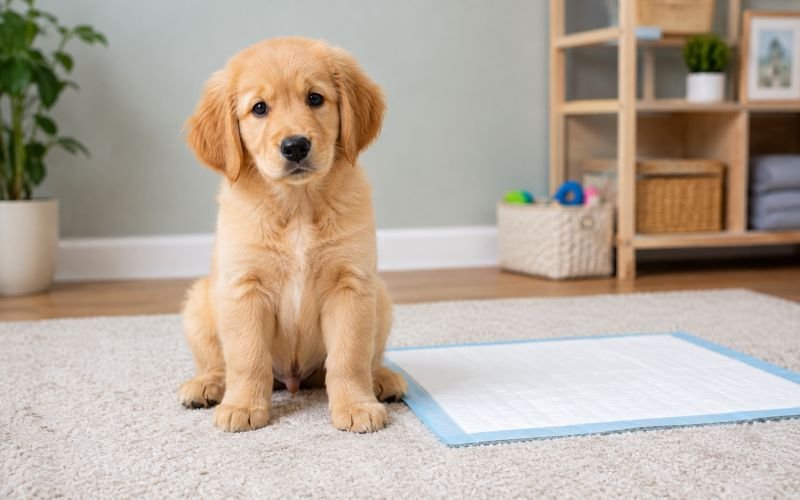
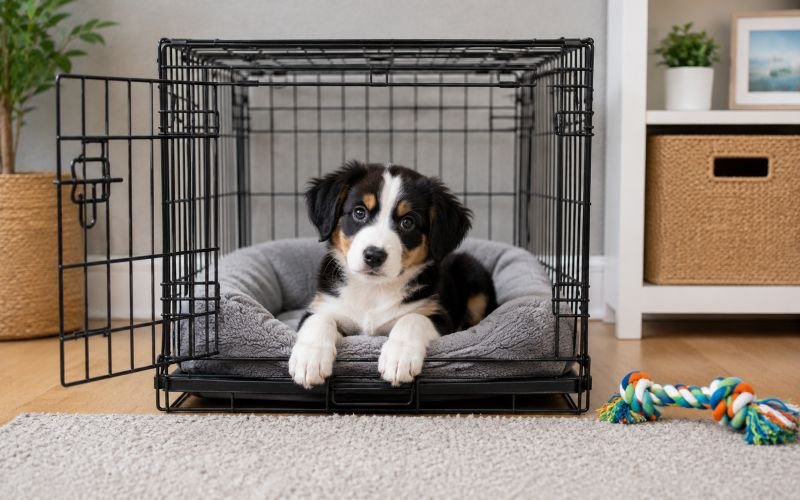
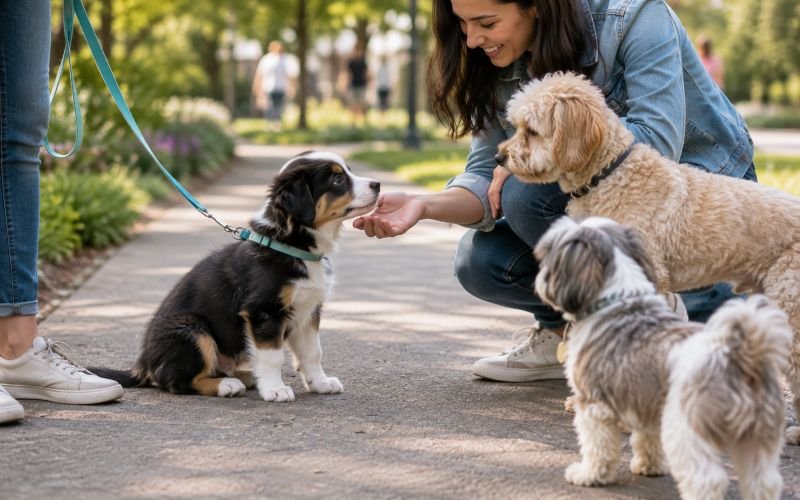
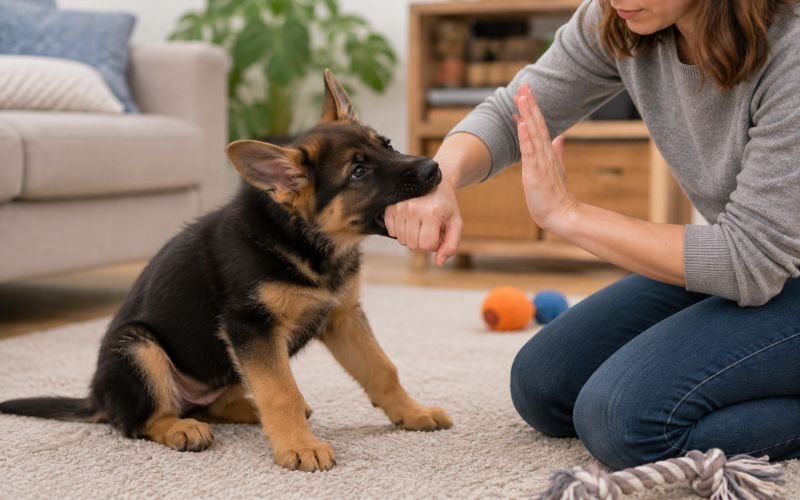
The good news is you don’t need to teach everything at once. Concentrate on a few important things from the beginning: where to go to the toilet, feeling happy and safe in their crate, meeting the world around them, learning that people aren’t chew toys, and getting used to being alone for short periods.
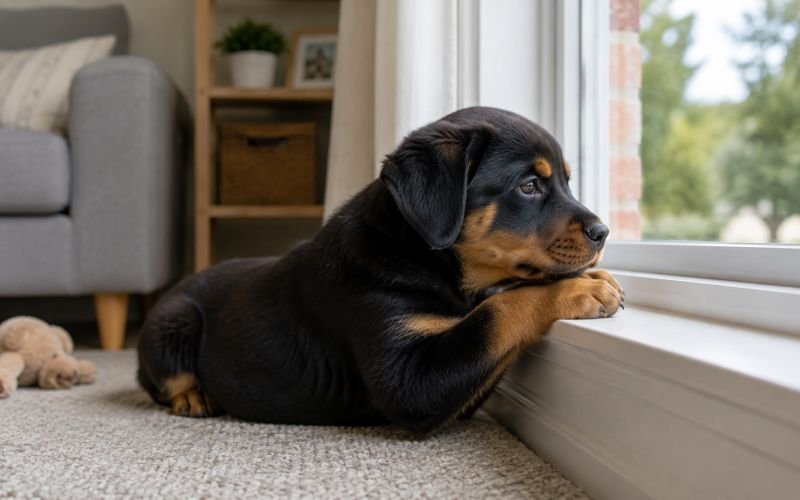
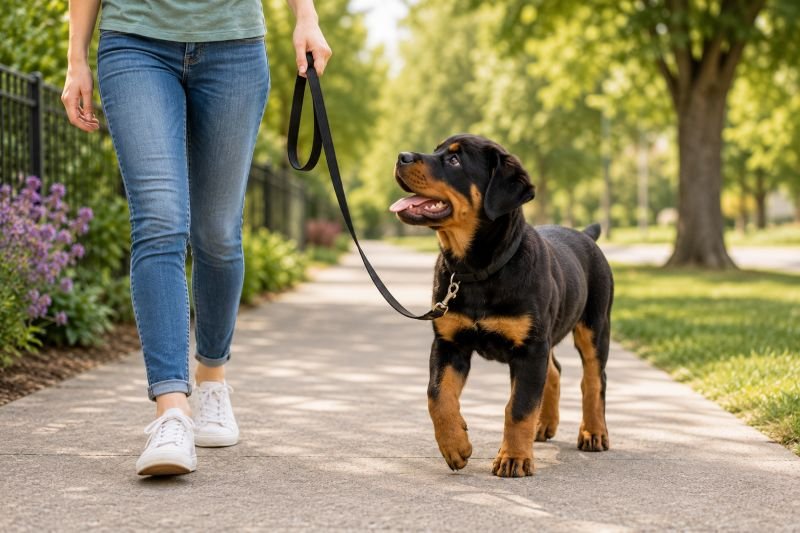
How Puppies Learn: Keep Training Simple and Positive
Puppies learn by making connections between what they do and what happens next. When your puppy does something you like, reward them straight away so they can work out exactly what earned that treat, praise or game.
Keep training sessions short, too. Puppies aren’t exactly famous for their powers of concentration! A few minutes of successful training several times a day is far more useful than one long session where you’ve both had enough by the end.
Consistency matters as well. Try to use the same cues and household rules, and make it as easy as possible for your puppy to get things right. Preventing unwanted habits from becoming established is usually much easier than trying to undo them later.
Puppy Training Basics
- Reward what you want — and reward it promptly.
- Keep sessions short — little and often works well.
- Be consistent — use the same cues and household rules.
- Prevent unwanted habits — don’t give your puppy endless opportunities to practise them.
- Finish on a win — stop while training is still going well.
What Should I Teach My Puppy First?
It’s tempting to arrive home with a new puppy and start thinking about sit, stay and all the clever things you’d like them to learn. But in those early days, some of the most important lessons aren’t really “commands” at all.
Your puppy is learning where to go to the toilet, that their crate is a safe place, how gently to use those needle-sharp teeth, what it’s like to meet new people and experience new things, and that being left alone for a little while isn’t the end of the world.
As they settle in, you can start adding simple skills such as responding to their name, coming when called, sitting when asked and walking nicely on a leash.
There’s no need to rush through a puppy-training checklist. Build good habits, keep things positive and move at a pace your puppy can cope with.
1 — First Priorities
- House training
- Crate training
- Socialization
- Bite inhibition
- Being alone
→
2 — Build the Basics
- Responding to their name
- Coming when called
- Sit
- Handling
- Leash foundations
→
3 — Keep Building
- Good manners
- Impulse control
- Reliable recall
- Training around distractions
Need a Little More Help?
Sometimes it’s not the training itself that’s causing the headache — it’s choosing the right equipment or working out why something just isn’t going to plan.
Choosing the Right Dog Crate
Not sure which type of crate will suit your puppy? Compare the different options, their pros and cons, and which work best in different situations.
House Training Not Going to Plan?
Doing everything right but still finding puddles in all the wrong places? Head to my house-training troubleshooting guide.
Frequently Asked Questions About Training a Puppy
When should I start training my puppy?
You can start training your puppy as soon as they come home. Keep things simple at first and concentrate on everyday skills such as house training, getting comfortable with their crate, responding to their name and learning the household routine.
Training doesn’t have to mean formal sessions, either. Your puppy is learning from you all day long — including when you didn’t particularly intend to teach them anything!
What should I teach my puppy first?
Start with the things that help your puppy feel safe and make everyday life easier. House training, crate training, socialization, bite inhibition and learning to spend short periods alone are all important early priorities.
You can then build on those foundations with skills such as responding to their name, coming when called, sitting, handling and walking on a leash.
How long should puppy training sessions be?
Keep them short. Puppies have limited attention spans, so a few successful minutes at a time is usually far more useful than trying to keep going until your puppy loses interest.
Short training opportunities throughout the day also make it easier to fit training naturally into everyday life.
Should I use treats when training my puppy?
Treats can be a very useful reward, particularly when you’re teaching something new. The important thing is to reward your puppy promptly so they can connect the reward with the behaviour you wanted.
Food isn’t the only possible reward, though. Depending on your puppy, praise, toys or a quick game can be pretty motivating too.
Should I use a crate when training my puppy?
A crate can be a useful training tool when it’s introduced positively. It can give your puppy a safe place to relax and can also help with house training and managing those times when you can’t supervise them closely.
The aim is for your puppy to feel comfortable and secure in their crate — never to use it as punishment.