
Dog Paw Problems: What Could Be Wrong?
From licking and limping to sore, swollen or cracked paws
If something doesn’t look right with your dog’s paw, start with what you can see. The signs can give you useful clues about what may be going on — and whether it’s something you can simply keep an eye on or needs a trip to the vet.
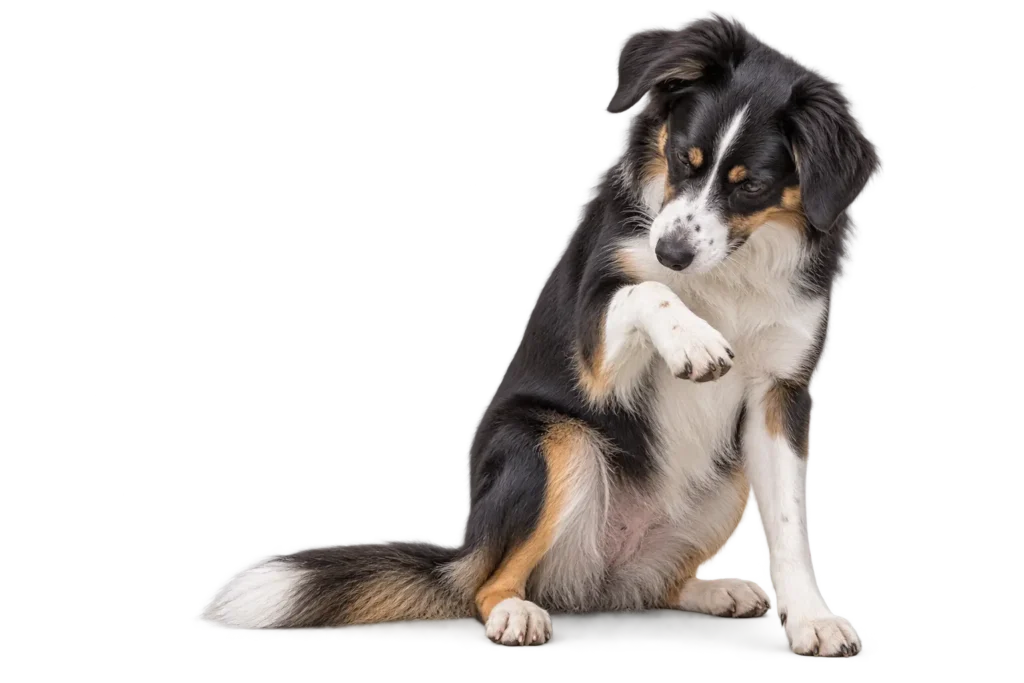
What’s Going On With Your Dog’s Paw?
Dogs’ paws take quite a beating. They’re exposed to hot pavements, ice, dirt, grass seeds and all sorts of unmentionables left behind by other animals. Sooner or later, you’re likely to find yourself wondering what on earth has happened to one of them.
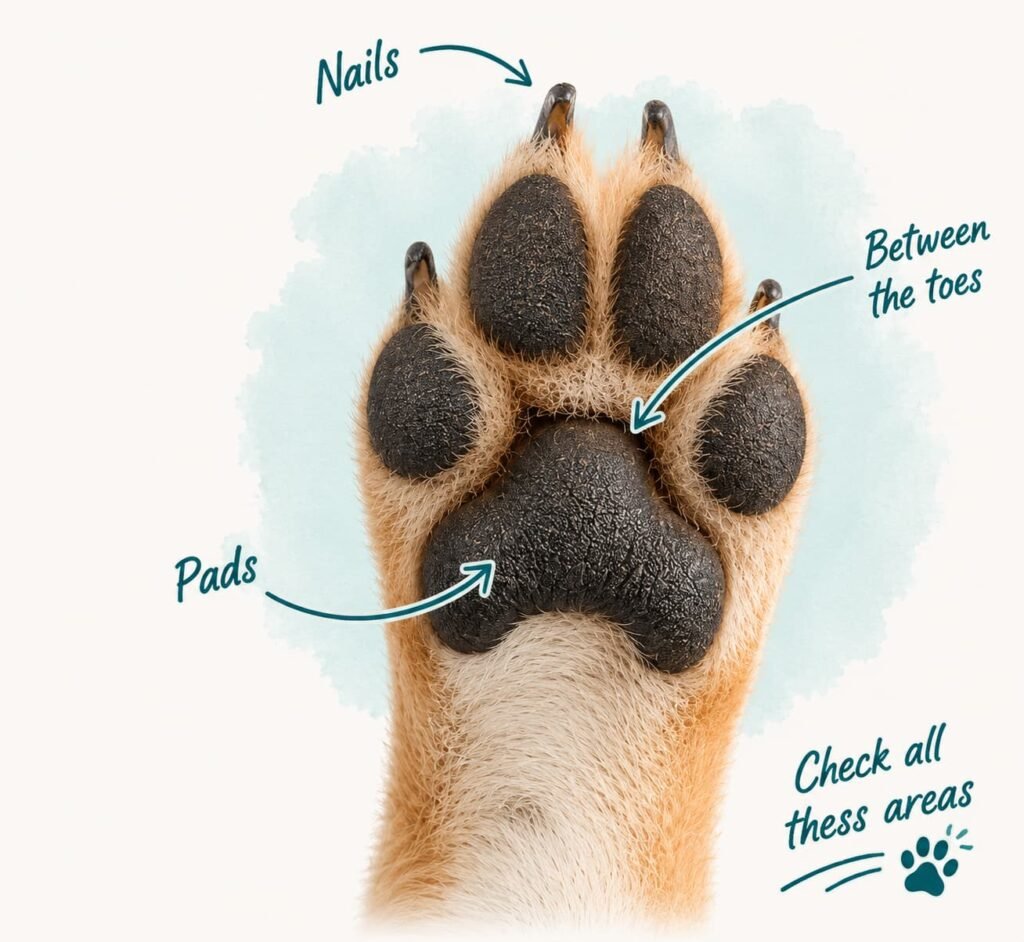
Start by having a good look at the paw — pads, nails, between the toes, the lot — and notice whether it’s just one paw causing trouble or several.
Some clues to look for include:
Licking, chewing or redness — this can happen with irritation, allergies, infection or something uncomfortable stuck in the paw.
Sudden limping or pain in one paw — check for a cut, damaged nail, grass seed, thorn or other foreign material.
Swelling, sores, lumps or discharge — these have several possible causes and are worth getting checked by your vet, particularly if they’re painful or persistent.
Dry, cracked or damaged pads — think about recent walks as well as the condition of the pad. Hot surfaces, ice, road salt and physical injury can all cause problems.
Problems affecting several paws — recurring redness, itching or chewing of more than one paw can point towards a broader skin or inflammatory problem rather than a simple injury.
These signs can give you clues, but they can’t tell you the cause for certain. If your dog is in significant pain, can’t put weight on the paw, has substantial bleeding or swelling, or the problem keeps coming back, it’s time to get your vet involved.
Why Is My Dog Licking or Chewing Their Paws?
Anyone who has a dog that chews, bites or licks their paws knows what I mean. Once they start, they can really go to town on them.
My dog, Ava, frequently used to have her whole paw in her mouth and would spend ages gnawing at her feet, especially underneath and between her toes. At first, I thought it was just a habit. It turned out there was a reason for all that chewing.
And that’s the important bit. Constant paw licking isn’t a diagnosis — it’s a clue that something is bothering your dog.
Itching from allergies is one possibility, but so are yeast or bacterial infections, irritation, parasites, pain, an injury or something lodged in the paw. If your dog suddenly starts concentrating on just one paw, have a good look for an obvious injury, damaged nail, grass seed, thorn or anything else that shouldn’t be there.
PAW CHECK
Suddenly licking just one paw?
Check the pads, nails and between the toes for a cut, damaged nail, grass seed, thorn or anything else that may be causing pain or irritation.
Could It Be Yeast?
Yeast normally lives on a dog’s skin without causing trouble. But when it overgrows, it can cause an intensely itchy skin infection, and paws are one of the areas that can be affected.
As well as persistent licking and chewing, you may notice redness, irritated skin, an unpleasant or musty odor, or changes to the skin between the toes.
The tricky part is that those signs aren’t unique to yeast. Allergies, bacterial infections and other skin problems can look very similar, and sometimes more than one problem is going on at the same time.
There’s also a bit of a vicious circle. An itchy paw encourages licking and chewing; all that licking adds moisture and trauma to already irritated skin, which can make matters worse and contribute to secondary infection.
So if your dog’s paws are persistently itchy, red, sore or smelly — particularly if the problem keeps returning — it’s worth having your vet find out what’s actually causing it rather than assuming it’s yeast.
If yeast is confirmed, treatment may include a veterinary-recommended medicated shampoo, wipes or other topical antifungal treatment. More troublesome infections may need prescription medication. Just as importantly, recurring infections usually mean the underlying trigger needs investigating too.
Cuts, Cracks and Injuries to Paw Pads
Don’t you just hate it when your dog cuts or tears a paw pad?
In an ideal world, they’d simply rest and let it heal. But come on — we all know that’s not going to happen. They still want to walk, run and play, and every time they put weight on that paw there’s a chance of irritating the injury all over again.
Paw pads take a lot of punishment, so even a relatively small injury can be troublesome. Walking on a torn pad can reopen the wound and delay healing.
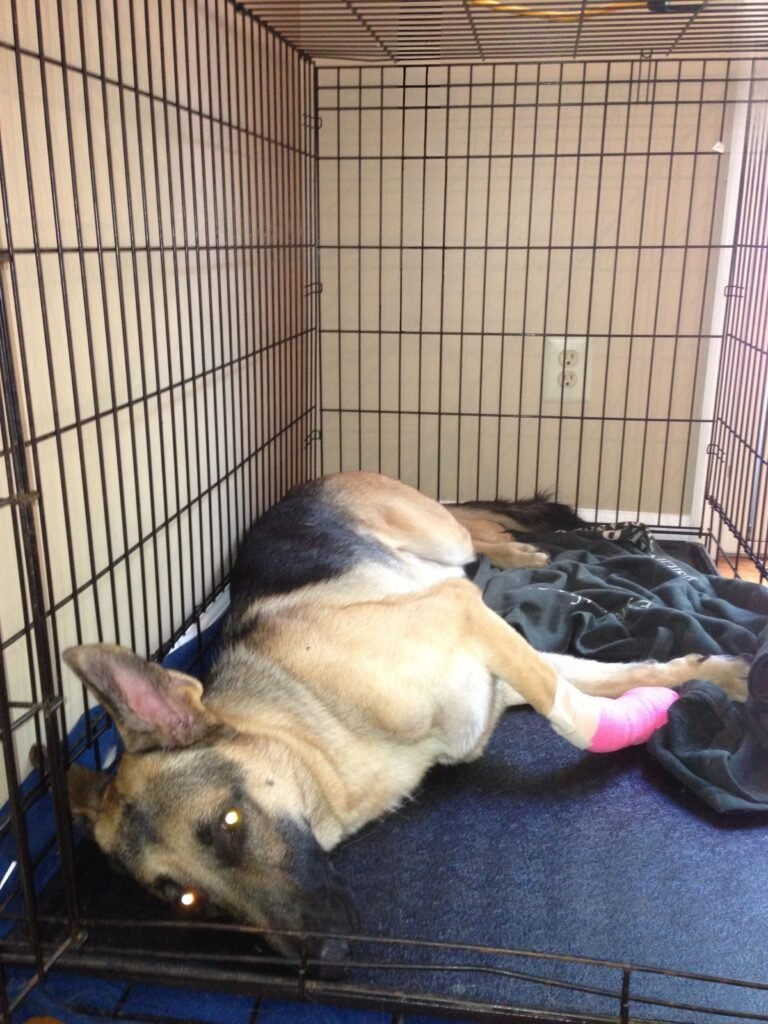
What to Do If Your Dog Cuts a Paw Pad
First, have a good look at the paw. If there’s blood but you can’t immediately see where it’s coming from, check the pads and nails — a damaged nail can bleed too.
For a small, superficial injury, gently rinse the paw with clean water to remove dirt and loose debris. If you can see something sitting superficially in the pad and it can be grasped easily, it may be possible to remove it gently. Don’t dig into the paw for anything deeply embedded — that’s one for your vet.
If the pad is bleeding, hold a clean towel or gauze firmly against it and apply steady pressure. If the bleeding won’t stop after around 10–15 minutes of pressure, VCA recommends treating that as an emergency.
And try to stop your dog licking or chewing the injury. That may mean using a recovery cone while the paw heals.
WHEN TO CALL YOUR VET
Have the paw checked if the wound is deep or gaping, something is embedded in it, bleeding won’t stop, your dog is in significant pain or can’t use the foot normally, or you notice swelling, redness, pus/discharge or other signs of infection.
Helping a Paw Pad Heal Without Reopening
Paw pads can be frustrating to heal because your dog still has to walk on them. Just when you think everything is looking better, one enthusiastic dash around the garden can put you right back where you started.
Ava was particularly good at this. Keeping her quiet while a paw healed was sometimes more difficult than dealing with the original injury!
For a healing paw, follow your vet’s advice about whether it needs to stay covered and when dressings should be changed. Bandages need to stay clean and dry, and if one becomes wet, dirty, slips out of position, develops an odor, or you notice swelling above or below it, contact your vet.
Exercise may also need to be restricted while the pad heals. Short, controlled lead walks are rather less exciting than charging around the garden, but giving the paw time to recover can help avoid repeatedly damaging the new tissue.
KEEP A HEALING PAW PROTECTED
✓ Keep any dressing clean and dry
✓ Restrict activity as advised while the paw heals
✓ Watch for swelling, odor, discharge or a slipped/wet bandage
What About Dry or Cracked Paw Pads?
A dog’s paw pads are naturally tough and a little rough, so they aren’t supposed to feel baby-soft. But there’s a difference between a normally textured pad and one that’s becoming excessively dry, cracked, sore or painful.
Minor surface dryness may simply need monitoring and protection, but deeper cracks can be uncomfortable and may bleed or provide an opportunity for infection. If a crack is deep, bleeding, painful, inflamed or isn’t healing, have your vet take a look.
It’s also worth thinking about why the pads have become damaged. Hot pavement, ice, road salt and other environmental irritants can all take their toll — we’ll look at those in a moment.
Other Common Causes of Dog Paw Problems
Paw problems aren’t always caused by an injury. Here are some other possibilities worth knowing about.
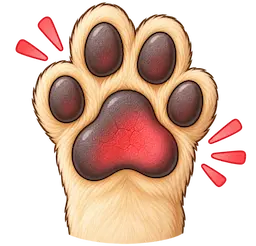
Allergies & Inflammation
Itchy, red or inflamed paws can be associated with allergies and other inflammatory skin conditions. Repeated licking and chewing can then further irritate the skin.
Bacterial Infections
Bacterial infections can develop in already inflamed or damaged paw skin. Redness, swelling, pain, discharge or an unpleasant smell are signs that the paw needs veterinary attention rather than simply treating it at home.
Nail Problems
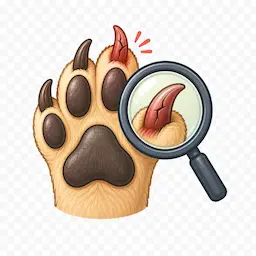
A torn, split or broken nail can be painful and may bleed if the quick is damaged. Persistent soreness, swelling, discoloration or unusual changes around a nail also deserve attention.
Parasites
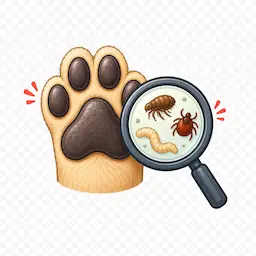
Mites and other parasites can cause itchy, inflamed paws. Because paw itching has many possible causes, persistent chewing or inflammation needs the underlying cause identified rather than assuming it’s an allergy or infection.
Between-Toe Lumps & Sores
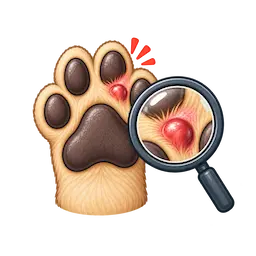
Swelling, nodules, sores or painful lumps between the toes can have several causes. What owners often call an “interdigital cyst” may not actually be a simple cyst, so unexplained, painful or recurring lesions are best examined by your vet.
The important thing is not to diagnose a paw problem from its appearance alone. Several conditions can look remarkably similar, and sometimes more than one problem is going on at once.
Protecting Your Dog’s Paws From Heat, Ice & Salt
Sometimes the problem isn’t something going on inside the paw at all — it’s what your dog has been walking on.
Hot pavement can damage paw pads, while winter brings its own problems with snow, ice and de-icing salt. A quick paw check before and after walks can save your dog a lot of discomfort.
Hot Pavement and Paw Pads
Dog paw pads are tough, but they aren’t built-in shoes. Asphalt, concrete and even sand can become hot enough to burn them on a sunny day.
Don’t rely on the air temperature to tell you whether the ground is safe. Put your hand on the surface for about 10 seconds. If it’s too hot to keep your hand there comfortably, it’s too hot for your dog’s bare paws.
On hot days, walk earlier in the morning or later in the evening and choose grass or shaded surfaces where you can. If your dog starts lifting their paws, seems reluctant to walk or begins limping, get them off the hot surface and check their feet.
☀️ HOT PAW CHECK
Think the pavement may be too hot?
Hold your hand comfortably against it for about 10 seconds. If you can’t, don’t ask your dog’s paws to do it either.
If you think a paw pad has actually been burned: move your dog off the hot surface and contact your vet for advice. Burns can be more serious than they initially appear.
Snow, Ice and Road Salt
Snow itself wasn’t going to keep Ava indoors. She loved lying in it — usually with a tennis ball or two nearby — and would happily stay there with her paws buried in the snow.
Every so often she’d come back inside limping, and it took me a while to work out what was going on. Ice was getting packed between her very furry toes. I’d gently work the ice out with my hands and a towel, warm her feet up, and before long she’d be ready to go straight back outside again.
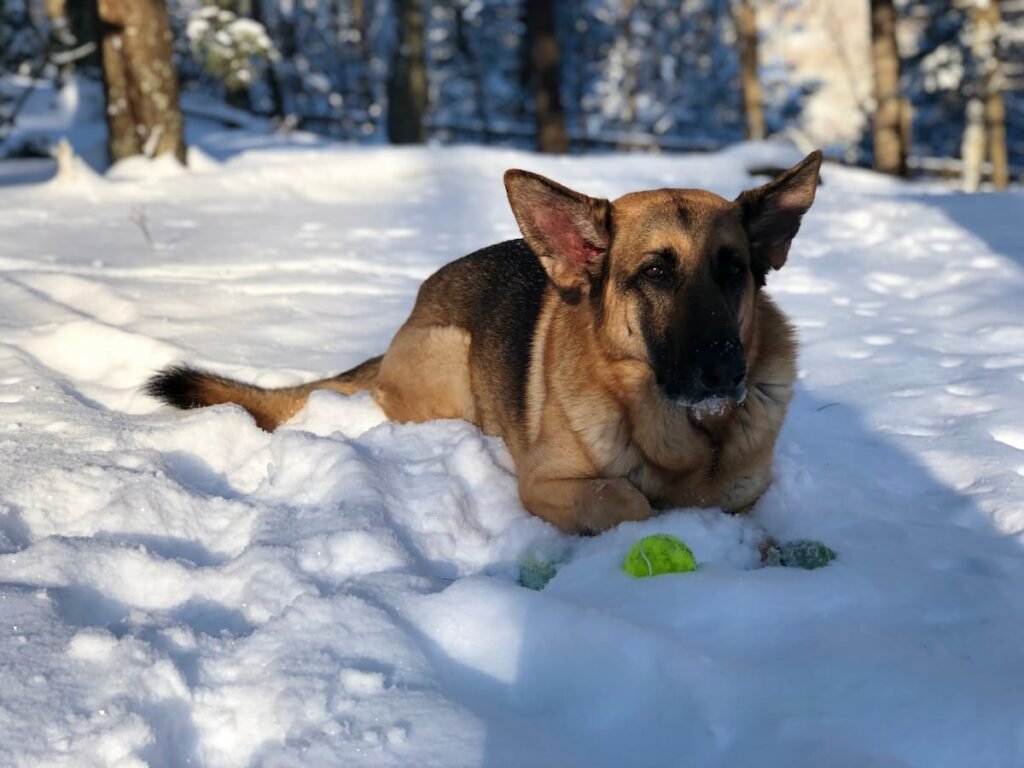
If your dog suddenly starts limping during or after a snowy walk, check between the toes. Snow can collect around the paws and form hard, uncomfortable clumps of ice — particularly on dogs with plenty of fur between their pads.
Road salt and chemical de-icers can cause irritation too. After walking on treated surfaces, wipe or rinse your dog’s paws and check between the toes while you’re there.
Grass Seeds and Other Things Stuck in the Paw
If your dog suddenly starts licking, chewing or limping on one paw, something stuck in or between the toes should be high on your checklist.
Grass seeds can be particularly troublesome. Their pointed shape means some can work their way into the skin rather than simply sitting on the surface — and once embedded, they may be surprisingly difficult to spot.
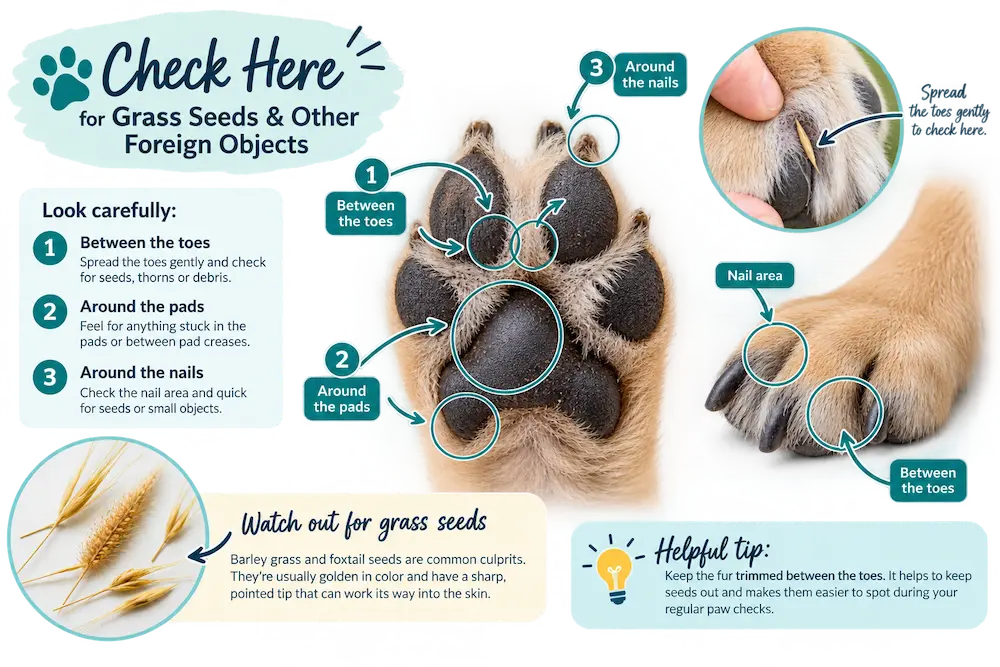
Your dog may keep returning to exactly the same spot with their tongue, or you might notice redness, swelling, a small sore or tenderness when you examine the paw.
If you can see a small piece of debris sitting loose on the surface and it comes away easily, that’s one thing. Don’t go digging around in the paw for something that’s embedded. If you can’t remove it easily, there’s swelling or a wound, or your dog remains uncomfortable, let your vet investigate it.
When Should You See a Vet About a Paw Problem?
Some minor paw problems can be dealt with by checking the paw, removing an obvious bit of loose debris or simply giving irritated feet a chance to recover. But persistent, painful or unexplained paw problems are a different matter.
Call your vet if you notice any of the following:
- bleeding that doesn’t stop or a deep/open wound
- significant swelling, redness or pain
- pus, discharge, a bad smell or other signs of infection
- limping that persists or your dog won’t put weight on the paw
- a badly torn, broken or abnormal-looking nail
- a lump, sore or lesion that is unexplained, painful, growing or keeps returning
- persistent or recurrent licking and chewing
- a suspected embedded grass seed, thorn or other foreign object
- a paw problem that’s getting worse or simply isn’t improving
You know what’s normal for your dog. If a paw suddenly looks very different, they’re clearly uncomfortable, or something just doesn’t seem right, I’d rather have a vet tell me I’ve worried unnecessarily than leave a painful problem to get worse.
A Little Regular Paw Care Goes a Long Way
You don’t need to wait until your dog starts limping or chewing at a paw to take a look at their feet. Once you get used to checking your dog’s paws regularly, you’ll have a much better idea of what’s normal for them — which makes anything unusual easier to spot.
Have a quick look between the toes and around the pads, keep nails at a comfortable length, and check for cuts, cracks, redness, swelling or anything that’s become lodged in the paw. After walks, it’s also worth checking feet if you’ve been through long grass, over rough ground or on salted winter paths.
And if your dog has furry feet, keeping the excess hair between the pads reasonably tidy can make those little paw checks much easier.
Regular paw checks are just one part of keeping your dog healthy and comfortable. You’ll find more everyday advice in my dog care tips.
🐾 Check paws regularly
✂️ Keep nails & excess fur tidy
👀 Notice changes early
🧼 Clean after messy walks
Keep an Eye on Those Paws
Your dog’s paws put up with an awful lot — hot pavement, freezing snow, rough ground and, occasionally, things that really shouldn’t be wedged between their toes.
The good news is that getting to know what’s normal for your dog’s feet makes it much easier to notice when something isn’t right. A quick paw check can sometimes reveal a very simple explanation; at other times, persistent licking, limping, swelling or soreness is your cue to get your vet involved.
Hopefully, with the problem sorted, it won’t be long before those paws are back doing what they’re meant to do — running, playing and getting into mischief.
Veterinary Sources & Further Reading
- VCA Animal Hospitals: Pododermatitis in Dogs
- VCA Animal Hospitals: First Aid for Torn or Injured Foot Pads in Dogs
- Cornell University College of Veterinary Medicine: Atopic Dermatitis (Atopy)
- Merck Veterinary Manual: Interdigital Furunculosis in Dogs
- American Kennel Club: How Hot Is Too Hot for a Dog’s Paws?