
10 Puppy Training Tips I Wish I'd Known From Day One
The little things you teach now can make a big difference later
One thing I’ve learned from having dogs is that you can’t always know what problems you have until you have them! These are ten practical puppy training tips I’ve picked up over the years — including a few things I wish I’d done differently with my own dogs.
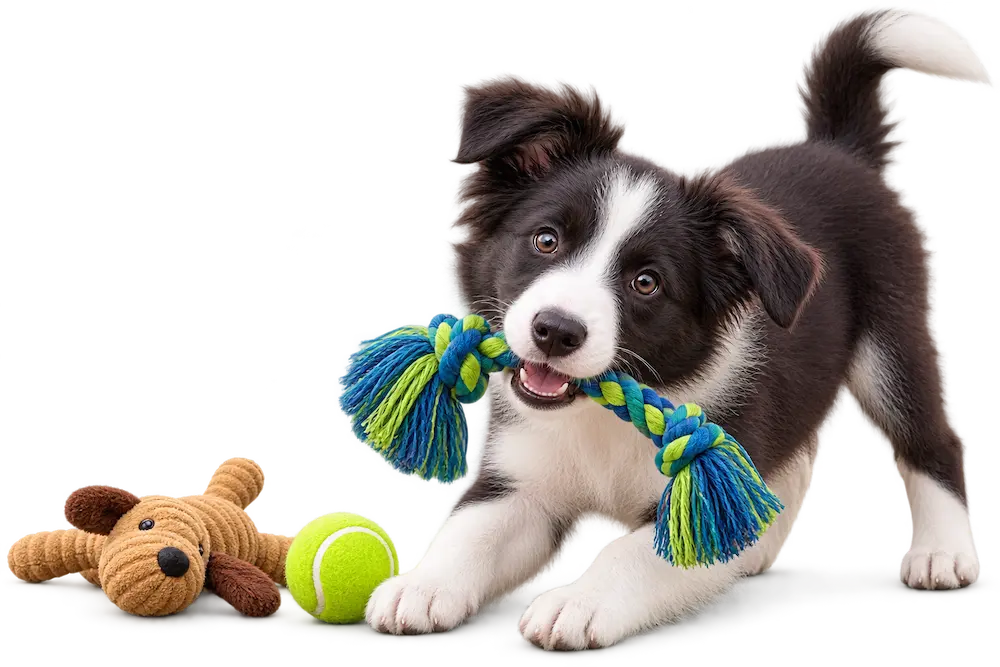
Training classes can be brilliant, but a lot of puppy raising happens in the ordinary moments at home — playing, grooming, getting in the car, meeting new people and learning when it’s time to settle down.
Over the years, I’ve learned that some of the most useful things you can teach a puppy aren’t necessarily obedience commands at all. They’re little habits and life skills that can make living with your dog much easier later on. And yes, there are a few things on this list that I wish I’d done differently with my own dogs!
Whatever you’re teaching, keep it positive. Reward the behavior you want, be consistent, and remember that your puppy is still learning about the world. You don’t need marathon training sessions either — short, successful bits of practice throughout everyday life can achieve a lot.
1. Build Good Habits Before Bad Ones Take Hold
What puppies learn when they’re young can stick with them for a very long time.
This is my first puppy training tip for a reason. It’s much easier to teach the behavior you want from the beginning than to wait until something you don’t want has become a well-practiced habit.
Puppies are little sponges. That’s wonderful when you’re teaching things like sit, down or coming when called — but they’re also learning from everything that happens around them, including all those times when you don’t think you’re training!
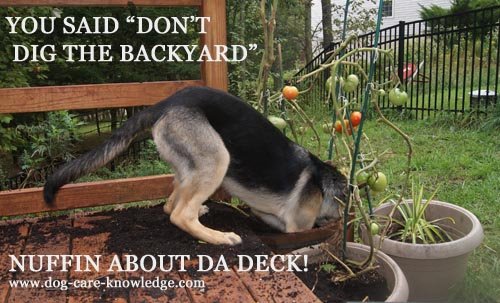
So don’t assume an annoying puppy behavior will simply disappear as your pup grows up. If you spot something you don’t want to continue, think about what you’d rather your puppy did instead and start rewarding that behavior.
And if you’re struggling with something or you’re worried about your puppy’s behavior, get appropriate help early. Problems are generally much easier to tackle before they’ve had months or years of practice.
2. Introduce the Toys You Want to Use Later
Get your puppy interested in the toys you’d like to use for play and training while they’re young.
I learned this one with Ava. I never played tug with her as a puppy because I’d been led to believe that tug wasn’t a good game for a German Shepherd and could make her too dominant.
That’s a myth — but by the time I knew better, Ava had already made her choice. Ball, please!
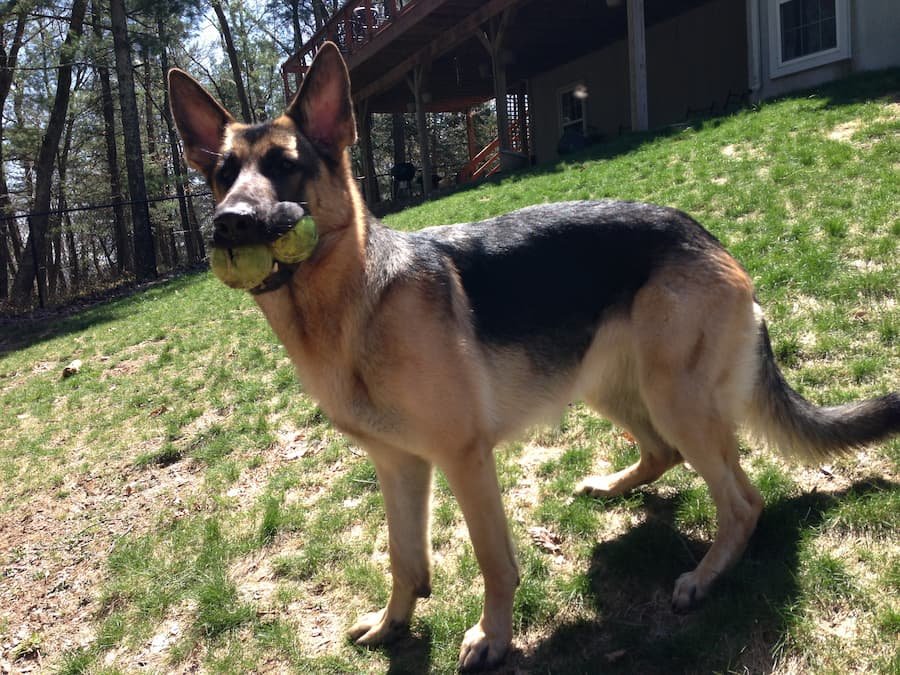
Get your puppy interested in the toys you’d like to use for play and training while they’re young.
I learned this one with Ava. I never played tug with her as a puppy because I’d been led to believe that tug wasn’t a good game for a German Shepherd and could make her too dominant.
That’s a myth — but by the time I knew better, Ava had already made her choice. Ball, please!
If I try to play tug with her now, she simply drops the toy and lets me have it. She’s not interested. I’m pretty sure things would have been different if I’d made tug fun when she was a puppy because, believe me, we played plenty of ball!
A tug toy can be particularly handy as a training reward. You can have a quick game together, keep hold of the toy and then put it away when you’re finished. Find out what really gets your puppy excited and use play as another way to reward them — treats don’t have to do all the work.
3. Don't Expect Your Puppy to Learn the Same Way Everywhere
Puppy classes can be great for training, but some puppies find a busy class much harder to concentrate in than others.
If your puppy can sit beautifully in your kitchen but suddenly appears to have forgotten everything the moment you walk into class, don’t assume your training has failed. You’ve simply made the exercise much harder by adding other puppies, people, noises and about a thousand more interesting things to look at and sniff!
Practice new behaviors somewhere quiet first, then gradually work on them with more distractions around. Your puppy may know exactly what “sit” means at home but still need practice before they can do it when another puppy is bouncing around three feet away.
A good puppy class can give you professional guidance and a controlled environment in which to practice. But if your puppy is overwhelmed, frightened or simply unable to focus, talk to the trainer about how you can make things easier for them. Sometimes a quieter setting or individual training may be a better starting point.
The important thing isn’t whether your puppy learns something at home or in a class. It’s helping them learn it well enough that eventually they can do it in lots of different places.
4. Practice Being Calm
Puppies need to learn how to switch from excited behavior to calm behavior.
This is something that’s really worth practicing when your puppy is young. We spend plenty of time teaching puppies how to play and get excited, but learning how to come back down again is an important skill too.
One of my favorite ways to practice this is a little game I call “rev-up, rev-down.”
REV UP
Play and get excited
CALM DOWN
Stop, freeze and settle
REWARD
Reward the calm behavior
REV UP AGAIN
Let the fun begin again!
Get your puppy excited with a game of tug, a ball or another favorite toy. Have some fun and really get them into the game.
Then suddenly stop. Become boring! Freeze the toy and wait for your puppy to calm down. You can ask for a simple behavior they already know, such as sit or down, and reward them when they do it.
Then comes the fun part — rev them straight back up again!
Play for a little while, stop and settle, then start the game again. You’re teaching your puppy that excitement doesn’t have to keep escalating. They can switch from “Woohoo!” back to calm and then carry on having fun.
It’s a simple game, but it’s a very useful skill for a puppy to learn.
Timing matters. You want your puppy to connect the reward with going potty outside — not with walking back through the kitchen door.
5. Get Your Puppy Comfortable With Car Rides
Start getting your puppy used to travelling in the car while they’re young.
Not every puppy takes to car travel straight away. Keep those first trips short if you can, and give your puppy time to become comfortable with the sights, sounds and movement of travelling.
Make sure your puppy has a safe, secure place to travel, whether that’s an appropriately secured crate or another suitable dog restraint. And remember that the destination matters too. If every car ride ends at the vet, don’t be too surprised if your puppy isn’t exactly racing you to the car!
Ava was probably the worst of my dogs when it came to travelling as a youngster, but she went on to absolutely love the car. Which was just as well, because we ended up travelling all over the country together for Nose Work trials, as well as taking plenty of camping trips!
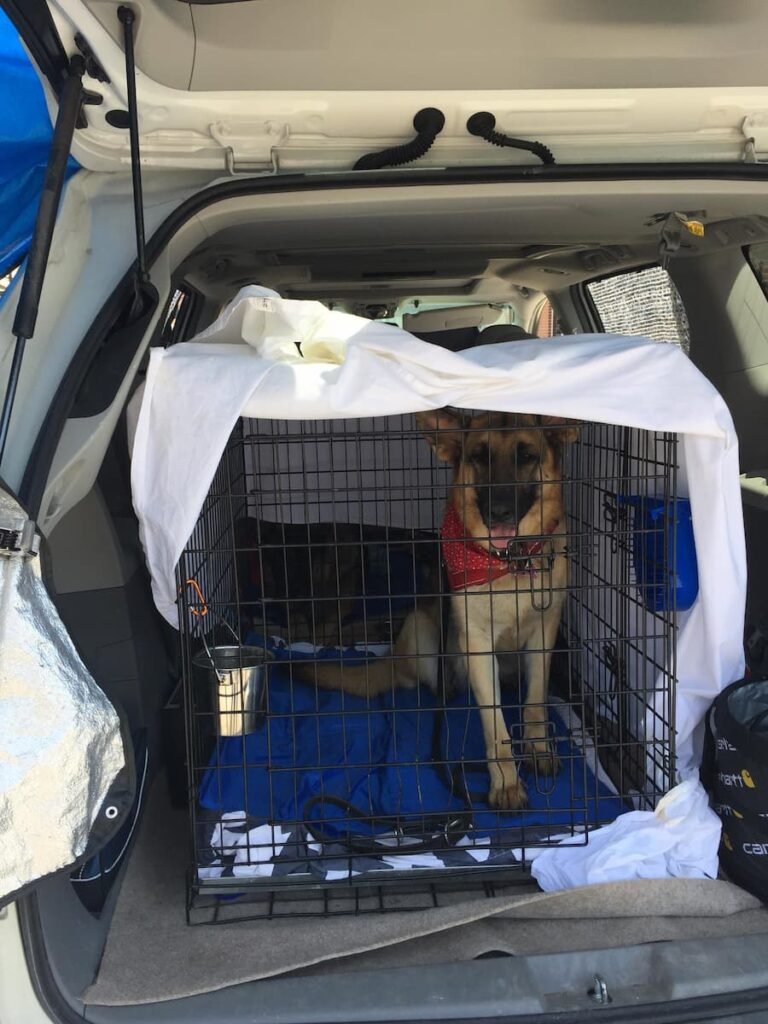
That’s why I wouldn’t give up just because your puppy isn’t an enthusiastic traveller on day one. Build up gradually and give them plenty of opportunities to discover that getting in the car can lead to good things.
6. Get Your Puppy Used to Being Handled
Don’t wait until your puppy actually needs grooming to introduce them to it.
Get them used to having their paws touched, ears looked at and coat brushed while they’re young. Keep it short and easy at first, and reward them so being handled becomes something ordinary rather than a wrestling match every time the brush comes out!
The same goes for nail care. You don’t have to tackle every nail in one sitting. Start by getting your puppy comfortable with having their paws and toes handled, then gradually introduce whatever nail-care tool you plan to use.
These little practice sessions can make grooming much less stressful later — for your dog and for you. Your future self may be very grateful when you’re trying to trim the nails of a fully grown dog!
7. Get Your Puppy Used to Wearing Things
Even if dressing up your dog isn’t really your thing, it’s useful for a puppy to learn that having something put on them is no big deal.
I’ll admit, I’m not a big fan of dressing dogs up just for the sake of it — although the occasional Christmas outfit has been known to happen!
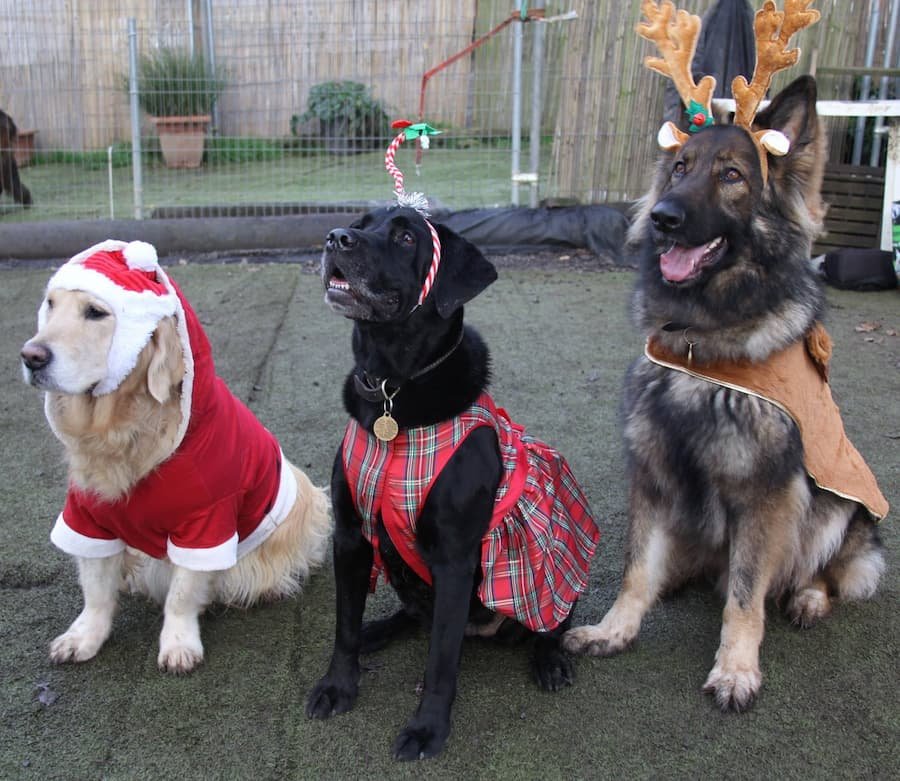
But there are plenty of practical reasons your dog may need to wear something during their life. A harness, protective boot, coat, bandage or recovery collar can feel very strange to a dog who’s never experienced anything like it before.
Introduce new things gradually and make the experience positive. Let your puppy investigate first, reward them as you put the item on, and keep those early sessions short. There’s no need to force them to wear something they’re worried about just to “get them used to it.”
A little practice while they’re young can make those occasions when they really do need to wear something much less of a drama — especially when you’re the one trying to get it on them!
8. Make Socialization About Good Experiences
Socializing a puppy isn’t simply about taking them everywhere and introducing them to everyone you meet.
Your puppy is learning what to make of the world, so the quality of those early experiences matters. New people, dogs, noises, surfaces, places and everyday objects can all be useful experiences — but they don’t all have to happen at once!
Watch your puppy and go at a pace they’re comfortable with. If something worries them, give them more distance rather than pushing them closer. You can pair new experiences with treats, play or something else your puppy enjoys and let their confidence build gradually.
One mistake I wouldn’t make is assuming that comforting a frightened puppy will somehow “reward” their fear. If your puppy is scared, it’s okay to help them feel safe. What you don’t want to do is force them into an experience that’s already overwhelming them.
The aim isn’t to produce a puppy who’s been exposed to absolutely everything. It’s to help them learn that new things can be safe and good things can happen around them.
9. Keep Training Short and Successful
You don’t need long training sessions to teach a puppy. In fact, little bits of training throughout the day can work beautifully.
Practice a behavior a few times, reward your puppy when they get it right and then move on. You can fit training into everyday life — ask for a sit before opening a door, practice recall in the house or reward your puppy for settling quietly while you’re making dinner.
And don’t feel you have to keep going just because things are going well. That’s often the perfect time to stop!
I’d much rather finish with a puppy who’s thinking “Can we do that again?” than one who’s decided training is over and wandered off to see what they can chew instead.
10. Know When to Ask for Help
You don’t have to figure out every puppy training problem on your own.
Puppies do all sorts of things that can leave you wondering, “Is this normal?” Often it’s simply part of raising a puppy, and some good training and management will get you through it.
But if you’re concerned about your puppy’s behavior — particularly fear, aggression or a problem that’s getting worse rather than better — don’t be afraid to ask for professional help. The earlier you understand what’s going on, the easier it can be to stop an unwanted behavior becoming an established pattern.
Look for someone who uses reward-based methods and has appropriate experience with the particular problem you’re dealing with. For more serious or complex behavior problems, your veterinarian is also a sensible place to start and can help rule out a medical issue or direct you towards appropriate behavioral support.
And remember, asking for help doesn’t mean you’ve failed at training your puppy. Sometimes another pair of eyes can spot something you’ve missed — and that’s a whole lot better than struggling on and hoping the problem sorts itself out.
What Should I Teach My Puppy First?
Training a PuppyThese ten tips are mostly about the little things that can make a surprisingly big difference later. But, of course, your puppy still has some important basics to learn too!
Start with the things that make everyday life easier and safer: house training, getting comfortable in a crate, coming when called, learning what they can chew (and what they definitely can’t!), walking on a leash and spending short periods alone.
You don’t have to teach everything at once. Pick what’s most important for your puppy right now and build from there. But, of course, your puppy still has some important basics to learn too!
Keep Training
Read to work on the basics? These guides will help you with the next steps:


Puppy Biting & Chewing
