Dog Care Tips You Can Trust

Simple routines to prevent problems, reduce vet visits, and keep your dog healthy for life

Learn how to spot issues early, build a reliable care routine, and take care of your dog’s health, teeth, skin, paws, and more — all in one place.

Woman gently checking her German Shepherd’s paw outdoors as part of a regular dog care routine

Start With the Right Dog Care Tips

Taking care of your dog doesn’t have to be overwhelming. Start with the areas that matter most, build a simple routine, and learn how to spot problems early before they become serious.

Owner checking their dog’s paw at home as part of a basic dog care routine

Dog Care Routine

Build a simple routine to keep your dog healthy and catch problems early.

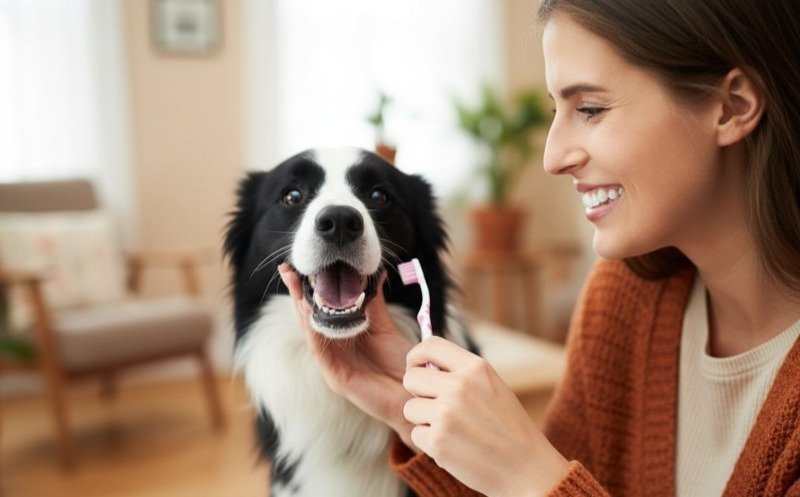
Woman brushing her dog’s teeth at home as part of regular dog teeth care

Teeth Care

Prevent dental disease and avoid costly treatments with simple at-home care.

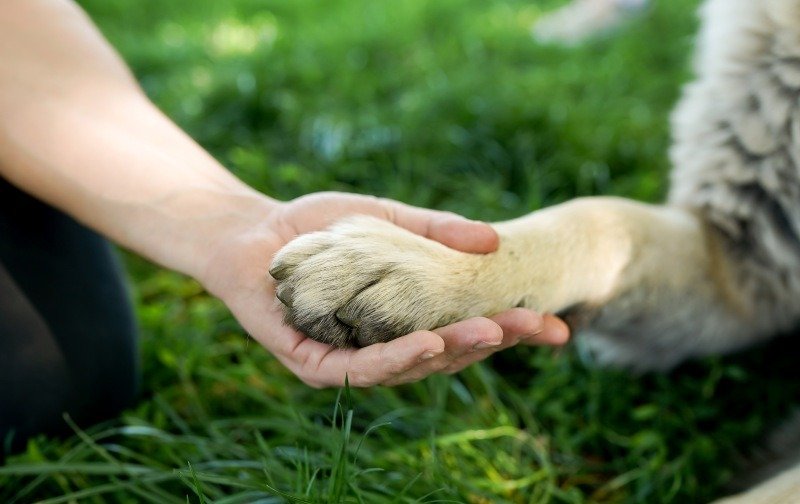
Hand gently holding a dog’s paw outdoors to check for injuries and maintain paw health

Paw Care

Protect your dog’s paws from cuts, injuries, and everyday wear and tear.

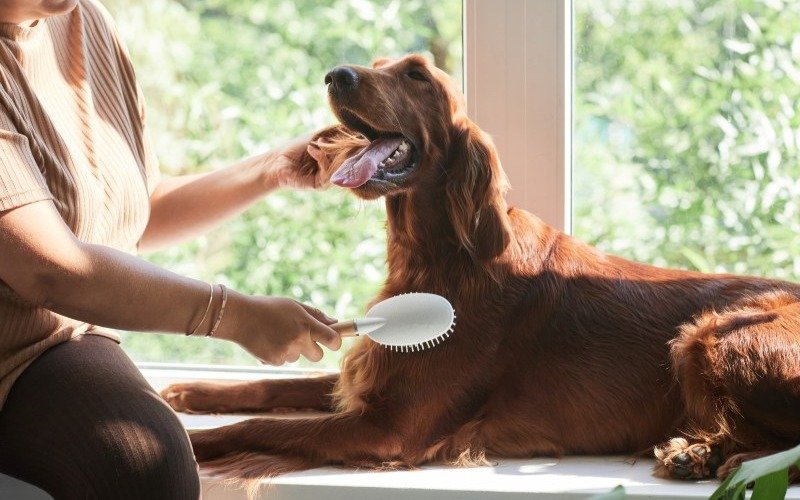
Owner brushing their dog’s coat at home to maintain healthy skin and fur

Skin & Coat Care

Keep your dog’s skin and coat healthy and prevent itching, dryness, and irritation.

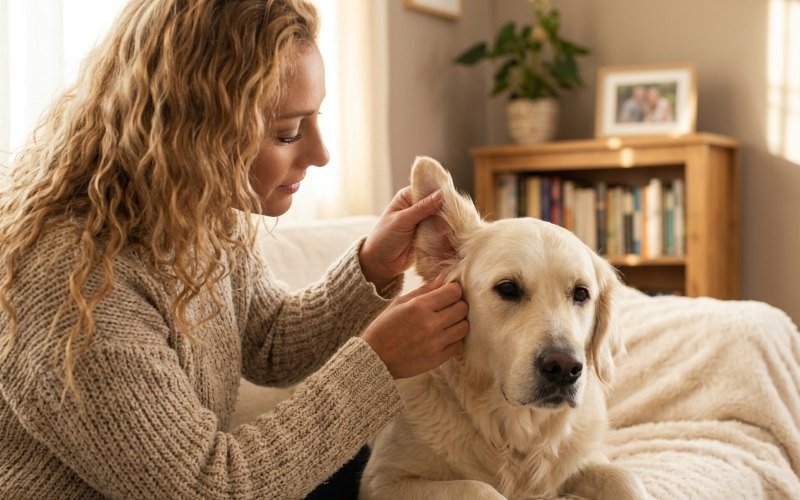
Ear Care

Check and clean your dog’s ears to prevent infections and catch problems early.

Puppy Care

Give your puppy the best start with simple care, training, and healthy routines.

Build a Simple Dog Care Routine

A simple routine is the key to keeping your dog healthy and preventing problems before they start. By checking your dog regularly and staying consistent with basic care, you can avoid many common health issues and reduce unnecessary vet visits.

Owner checking their dog at home as part of a basic dog care routine to keep them healthy

When to Treat at Home — and When to See a Vet

Some dog care tasks can be handled at home, especially when you’re following a consistent routine and know what to look for. However, it’s important to recognise when something needs professional attention.

If your dog is in pain, has a persistent issue, or shows unusual symptoms, it’s always best to consult your veterinarian. Early treatment can prevent more serious problems and ensure your dog gets the care they need.

The goal of these dog care tips is to help you stay proactive, not replace professional care.

Why Regular Dog Care Matters

Taking care of your dog regularly is one of the most important things you can do to protect their long-term health. Small checks and simple routines help you spot changes early, before they turn into more serious problems.

By staying consistent with basic dog care, you can prevent many common issues such as dental disease, skin conditions, and infections. It also helps your dog feel more comfortable, reduces stress, and strengthens the bond between you and your pet.

Even just a few minutes each day can make a big difference. When you build good habits around your dog’s care, you’re not just maintaining their health — you’re actively improving their quality of life.


Start Taking Better Care of Your Dog Today

Explore the guides above to build your routine and give your dog the care they deserve.

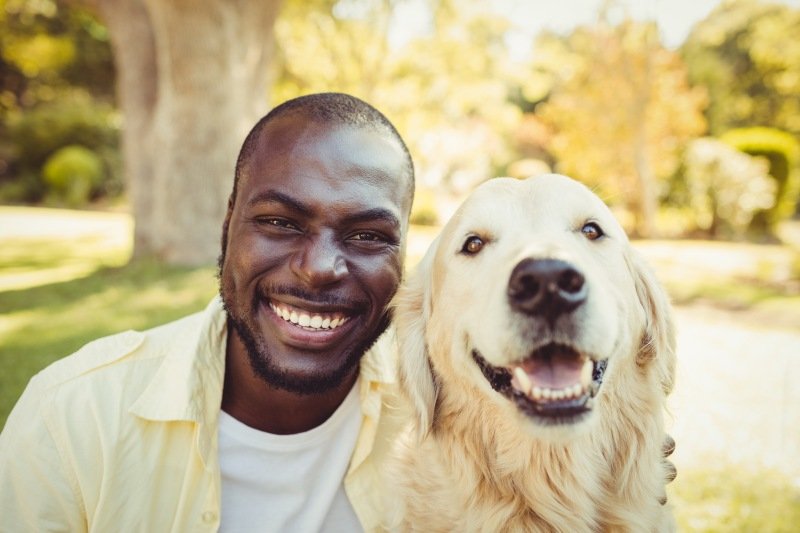
Smiling dog owner with a happy, healthy dog outdoors showing the results of good dog care

Dog Care Tips FAQs

How often should I check my dog for health issues?

A quick daily check and a more thorough weekly check is usually enough to stay on top of your dog’s health. Regular checks help you spot small changes early before they become bigger problems.

Basic dog care includes feeding a balanced diet, regular grooming, checking teeth, paws, ears, and skin, and staying consistent with preventative treatments like flea, tick, and heartworm protection.

Many aspects of dog care can be managed at home, especially routine checks and preventative care. However, if your dog shows signs of illness, pain, or unusual behavior, it’s important to consult a veterinarian.

The best way to prevent health problems is through consistency. Regular checks, proper nutrition, and preventative treatments can reduce the risk of many common issues and keep your dog healthy long-term.