
Dog Skin Conditions
Recognize the Signs and Find the Right Treatment
Learn how to identify common dog skin problems, what may be causing them, and when they can be managed at home or need veterinary care.

Find the Right Help for Your Dog’s Skin Problem
Dog skin problems can have many different causes. Start with the type of symptoms you’re seeing to find information on possible causes, treatment options, and when to see your veterinarian.

Dry, Itchy & Flaky Skin

Dog Allergies
Learn about skin and food allergies, common symptoms, triggers and treatment options.
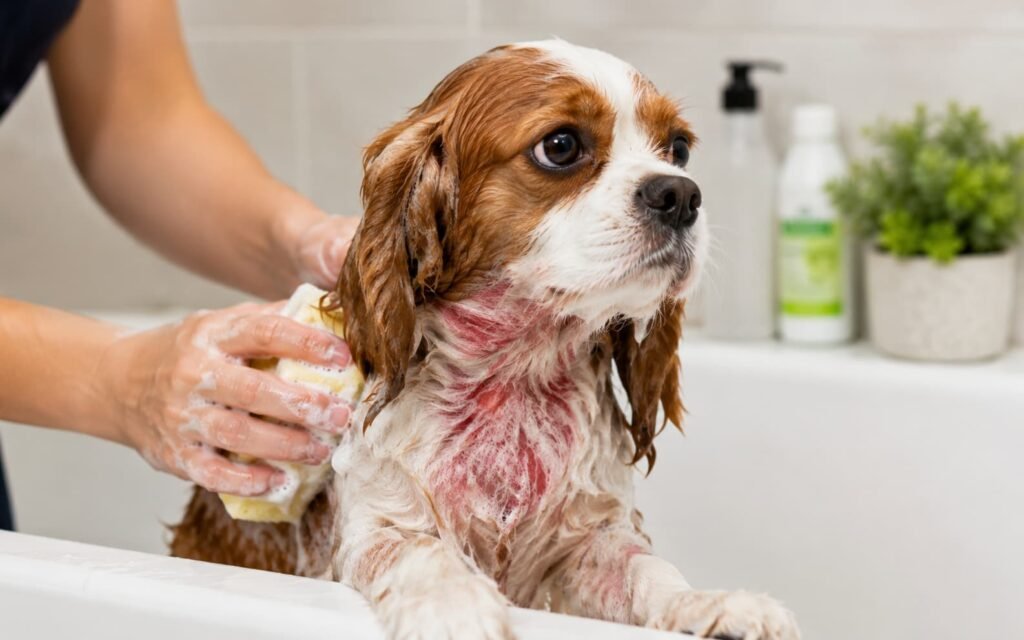
Yeast & Skin Infections
Recognize the signs of yeast and other skin infections and learn what treatments may help.
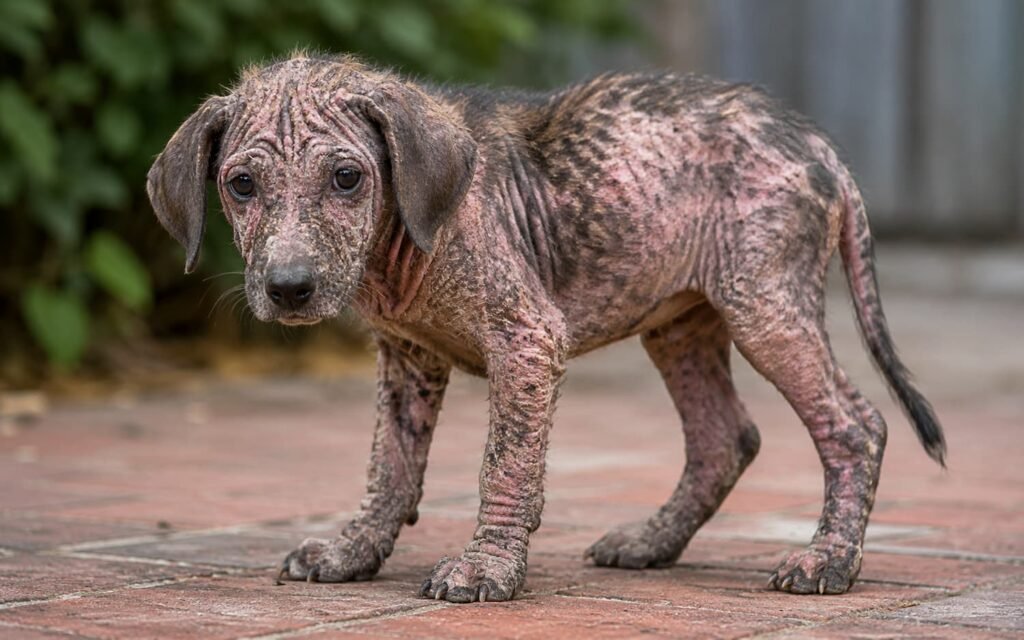
Mange in Dogs
Learn how to recognize mange and other parasite-related skin problems and what to do next.
Why Is My Dog Itching?
Itching is one of the most common signs of a dog skin problem, but figuring out what’s causing it isn’t always easy. Allergies, yeast, dry skin, dandruff, hot spots and mange can all make dogs scratch, lick or chew their skin.
One clue you may not have considered is the time of year your dog’s itching starts or becomes worse. Some skin problems are more likely to flare during particular seasons, so noticing when the scratching begins can help narrow down the possible cause.
| When Itching Gets Worse | Possible Causes to Consider |
|---|---|
| 🌷 Spring | Seasonal environmental allergies |
| ☀️ Summer | Seasonal allergies or hot spots, especially during warm, humid weather |
| 🍂 Fall/Winter | Dog dandruff or dry skin associated with cold weather, dry air or indoor heating |
| 📅 All Year | Food or environmental allergies, parasites such as mange, yeast or other skin conditions |
The season alone can’t diagnose your dog’s skin problem, but it can give you a useful starting point. Look at the other symptoms too — such as where your dog is itching, whether the skin is red or flaky, whether there’s an unusual odor, and whether you notice hair loss, sores or changes to the coat.
Match Your Dog’s Symptoms to a Possible Skin Problem
Dog skin conditions often share similar symptoms, but certain combinations can give you clues about what may be going on. Use the signs below as a starting point, then explore the relevant condition for more information.
| What You Notice | Possible Skin Problem |
|---|---|
| Itchy paws, ears, face or belly | Allergies |
| Paw licking, ear problems, greasy skin or unusual odor | Yeast infection |
| Dry, flaky or scaly skin | Dry skin or dog dandruff |
| Red, moist, painful sore | Hot spot |
| Hair loss with crusty or scaly skin | Mange |
| Redness, bumps, pustules or sores | Skin infection |
| Excessive itching throughout the year | Allergies, mange or another underlying condition |
Dry, Itchy & Flaky Skin
Dryness, flakes, persistent itching and changes to your dog’s coat can have several causes. These guides can help you recognize the differences between common skin problems and decide what to investigate next.
Dry Skin in Dogs
Learn what causes dry, itchy skin and how to tell whether dryness is really the problem.
Dog Dandruff
Recognize dry and oily dandruff, including the symptoms that can look similar.
Hot Spots in Dogs
Learn how to recognize red, irritated hot spots and what can trigger them.
Excessive Shedding in Dogs
Understand what’s normal, what’s excessive and when coat changes may signal a problem.
Read Guide →
Yeast & Skin Infections
Yeast and bacterial infections can cause itching, redness, odor and changes to your dog’s skin and coat. These guides can help you recognize the signs and understand the different treatment options.
Skin Infections in Dogs
Learn how to recognize common bacterial and yeast skin infections, their symptoms and possible causes.
Yeast Infection in Dogs
Learn the common signs of yeast overgrowth, including itchy ears, paw licking, irritated skin and unusual odor.
Dog Yeast Infection Treatment
Explore treatment options for yeast infections, including skin care, diet and ways to help prevent recurring problems.
Read Guide →
Dog Allergies
Allergies are a common cause of itching and skin irritation in dogs. These guides can help you recognize allergy symptoms, understand possible triggers and learn about the different treatment options.
Dog Skin Allergies
Learn about the different types of skin allergies in dogs, common triggers and how they can affect your dog’s skin.
Dog Allergy Symptoms
Recognize common signs of allergies, from itchy skin and paws to recurring ear problems and other symptoms.
Read Guide →
Dog Allergy Treatment
Explore treatment options for dog allergies and ways to manage itching and reduce exposure to possible triggers.
Read Guide →
Mange in Dogs
Mange is caused by microscopic mites that affect a dog’s skin and can lead to itching, hair loss and irritated or crusty skin. These guides explain the different types of mange, how to recognize the signs and the treatment options available.
Dog Mange
Learn about the different types of mange in dogs, their symptoms and how each type is diagnosed and treated.
Supporting Healthy Skin & Coat
The right treatment will depend on what’s causing your dog’s skin problem, but good everyday skin and coat care can help support healthy skin and may reduce irritation.
A few simple things can help:
- Feed a balanced diet that provides essential fatty acids, including omega-3 and omega-6.
- Bathe your dog as needed using a gentle shampoo formulated for dogs. Avoid over-bathing, which can dry and irritate the skin.
- Brush your dog regularly using a grooming routine appropriate for their coat type.
- Keep flea, tick and other parasite prevention up to date.
- Check your dog’s skin, ears and paws regularly so you notice redness, lumps, sores, hair loss or other changes early.

When to See Your Veterinarian
Some mild skin problems can improve with simple at-home care, but persistent or worsening symptoms should be checked by your veterinarian.
Book an appointment if your dog has:
• Severe or constant itching
• Open sores, bleeding or oozing skin
• Rapid hair loss or bald patches
• Swelling, significant redness or pain
• A strong or unusual odor from the skin
• Repeated ear infections or paw problems
• Skin problems that keep coming back
• Symptoms that don’t improve with appropriate home care
A veterinarian can help identify the underlying cause and recommend the right treatment, especially when allergies, infection, parasites or another health condition may be involved.
Dog Skin Conditions FAQs
Why is my dog constantly scratching?
Constant scratching can have several causes, including allergies, fleas or other parasites, dry skin, yeast infections and bacterial skin infections. Where your dog is itching and any other symptoms can help narrow down the possible cause.
How can I tell if my dog has allergies or a yeast infection?
Allergies and yeast infections can cause similar symptoms, including itching, paw licking and ear problems. Yeast may also cause greasy skin or a noticeable odor. Because the conditions can overlap, recurring or severe symptoms should be evaluated by your veterinarian.
Why does my dog's skin get worse at certain times of year?
Seasonal changes can provide clues. Environmental allergies commonly flare during certain seasons, while hot and humid conditions may encourage yeast problems. Indoor heating and low humidity can also contribute to dry skin during colder months.
When should I take my dog to the vet for a skin problem?
See your veterinarian for severe or persistent itching, open sores, significant hair loss, swelling, pain, unusual odors, recurring infections or skin problems that aren’t improving.
Can dog skin conditions be treated at home?
Some mild skin problems can be supported with appropriate grooming and skin care, but treatment depends on the underlying cause. Infections, parasites, persistent allergies and unexplained skin changes may require veterinary diagnosis and treatment.
References
Information on common dog skin conditions, symptoms and treatment considerations referenced on this page is supported by veterinary and canine health resources.
• Merck Veterinary Manual — Itching (Pruritus) in Dogs
• Merck Veterinary Manual — Allergies in Dogs
• VCA Animal Hospitals — Yeast Dermatitis in Dogs
• American Kennel Club — Dry Skin on Dogs: Signs, Symptoms, Treatments
• American Kennel Club — Hot Spots on Dogs: Signs, Treatment, and Prevention
• American Kennel Club — Mange in Dogs: Signs, Symptoms, Treatment